
When the scale is not the real story, the body may be carrying pain, shame, and a sense of survival.
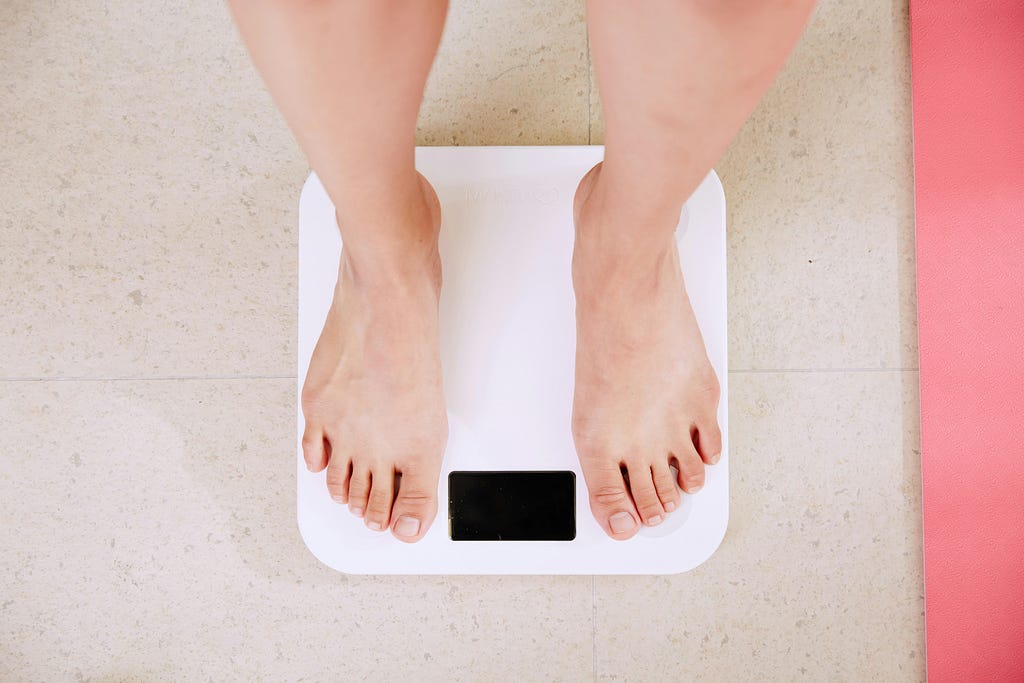
Lately, I’ve gained a few pounds. “Few” is the word I give it when I do not want to face the actual number on the scale. But while the numbers keep climbing, I can’t help thinking my body is trying to tell me something — that my hips and belly are not the only places in my life where I am carrying too much weight.
Maybe it isn’t about what I am eating. But about what is eating me.
The root cause of weight is rarely one thing. On the surface, we are told it is simple: calories in, calories out. Move more, eat less. But a human body is not a math equation. Weight can be shaped by hormones, sleep, stress, medication, genetics, inflammation, poverty, trauma, family patterns, and emotional pain. Sometimes it is not even about overeating. It can be a hormonal imbalance, metabolic resistance, low energy expenditure, poor sleep, changes in insulin, or other medical factors that quietly rewrite how the body uses food.
When hormones are low, the body defends its weight more stubbornly. It slows the metabolism, holds onto water, and scrambles the signals for hunger and fullness. It leaves us tired in a way that sleep doesn’t fix, and then asks us to exercise more anyway. Weight loss starts to feel impossible, not because we are weak, but because our bodies have been given new instructions.
This is not a failure of discipline. It is a body responding to a signal from within.
We are quick to turn physical struggles into personal shame. When the weight does not come off, we start saying, “I am a failure.” But failure is a verdict, not a fact. Our bodies are not betraying us. They are trying to survive according to the instructions given. The pain comes when we blame ourselves for something our body is struggling to regulate.
I am learning to say it differently. “I am not a failure.”
“I am struggling.”
The feeling of failure makes you want to give up, but the knowledge that you’re struggling gives you the sense that it can be figured out in the end.
Weight can also carry emotional meaning, turning the body into a fortress. Extra weight can feel like insulation against shame, attention, rejection, or grief. And sometimes eating is not about hunger; it is about comfort. I have eaten when I was not hungry. And eaten because something in me needed to be held, and food was the closest thing.
Weight is often a symbol of old wounds. It stops being about our body’s size and becomes about whether we feel lovable, acceptable, and safe.
For many of us, this wound is sharpened by the gaze of men. We know intellectually that our worth is not defined by our bodies. But we still feel judged when men comment on it. The words of our parents or past relationships become ghosts that haunt us. Even current casual comments about other women’s bodies can awaken an old fear: “They say I am fine, but their values are watching me.”
The body only hears danger, even if the mind can reason it away.
The fear can show up physically. A sinking feeling in our stomach can become an alarm bell. It asks: “Am I safe? Will I be rejected?” This reaction does not belong to the present moment. It belongs to a younger version of us who once learned that being judged by appearance could threaten our sense of belonging.
For me, the wound began in middle school, when my teacher looked at an old picture and commented on how fat I was. But I did not hear the past tense. I heard, “This is who I am now. This is how people see me, and the real me is unacceptable.” At that age, a careless comment became my inner law.
Our inner child may pretend not to care, but pretending is often a form of protection.
The middle school girl in me who acted untouched was the same girl who was deeply hurt.
Healing begins when we separate our body from the judgment that was placed upon it. Our body is not evidence of failure. Other people’s gaze is not the truth. We can work with doctors, regulate our hormones, track symptoms, and care for our physical health without turning our bodies into the enemy.
My younger self does not immediately know what she needs. She does not want to move closer to me. She only acknowledges that she has finally been seen. And that is enough for now. She does not need to be forced. She just needs me to say, “I saw what happened. And that hurt.”
The deeper work is not about weight loss. It is learning to live in our body without putting it on trial. It is telling our wounded self, “You are not a failure. You are frightened, exhausted, and you are trying to solve something difficult.” It is asking our partners not to comment on other people’s bodies, because our home should be a place where bodies are not judged. It is replacing shame with protection and punishment with care.
The root reason we might be carrying too much weight could be physical, emotional, social, or unconscious. Often, it is several of those at once. But whatever the cause, the person living inside our body deserves compassion.
Weight is not identity. A struggling body is not a failed body.
Healing begins when we stop asking, “What is wrong with me, why can’t I lose this weight?” and begin asking, “What has my body been carrying, and how can I help it feel safe?”
The scale is no longer my enemy. It is a tool reminding me to slow down and listen to my body.
The Weight Beneath the Weight was originally published in Women Write on Medium, where people are continuing the conversation by highlighting and responding to this story.
Discover more from Yoli Kae
Subscribe to get the latest posts sent to your email.
Be First to Comment