Every writing community I’ve been in repeats the same line. “Readers are writers.” It’s said with such certainty that you start to feel like a fraud if you don’t keep up. That quote is repeated so often that people start treating it as a rule rather than a tendency.
Some writers are voracious readers. Some are observers. Some are storytellers first. Some are processors who write to make sense of life. And honestly, when you are balancing work, responsibilities, family, and everyday survival, reading can start to feel like another task on an already overloaded list.
But writing is still feeding you.
You are still studying human behavior. Still collecting dialogue. Still noticing tension, grief, silence, resilience, and contradiction. Still living inside the story. Because reading isn’t only something you do with a book.
Writers read people. We read faces, tone shifts, the pause before someone answers a hard question, and the body language that contradicts the words. We read rooms — who’s tense, who’s performing, who just got quiet. That kind of reading sharpens a writer just as much as a paragraph on a page.
Life itself becomes part of the material.
As writers, we often write from a deeply internal place. A lot of our work comes from reflection, emotional excavation, memory, and meaning-making. That is a different creative fuel source than someone writing purely from literary influence.
I’m not saying writers don’t need fuel. I’m saying the fuel sources are more varied than the maxim admits. Observation, memory, emotional excavation, and listening to how people actually talk in a grocery store line. Reading the look on someone’s face before they say what’s wrong. Catching the tone underneath the words. All of that is study. All of that is reading, just not the kind that comes bound between two covers.
The “readers are writers” crowd tends to collapse all input into one specific kind.
And here’s what the maxim misses: the reading of people never stops. You don’t put it down. You don’t finish a chapter and close the cover. Writers are reading people the entire time they’re alive — at the dinner table, in line at the pharmacy, in the silence after a hard conversation. That’s literacy too. And perhaps that matters most.
That said, reading books does help in specific ways — rhythm and pacing, sentence flow, structure, expanding vocabulary naturally, and reminding you what is possible on the page.
But it does not have to look like consuming 50 novels a year.
It can be:
Essays before bed
Audiobooks while driving
One chapter at a time
Poetry
Medium or Substack pieces
Memoir excerpts
Listening to stories instead of physically reading them
A lot of writers quietly go through seasons where they produce far more than they consume.
Here is my truth: I don’t read books as much as I’d like. I spend most of my time writing. The rest of my time goes into work and the everyday business of being alive. But the writing keeps coming — because I read life every day.
✍️ From the Founder of Threads of Life, Money & Momentum.
Money & Momentum is dedicated to honest conversations about money mindset, earning more, and building income beyond a salary. This is not about hype or get-rich-quick promises. It’s about clarity, responsibility, identity shifts, and real momentum.
For over 20 years, I lived in poverty. Not the kind people always see. The kind where the electricity gets turned off in winter, the gas gets turned off in summer, and rent becomes something you either cannot pay, or simply do not.
There were stretches when we were homeless. Oh, we had a roof over our head, but it wasn’t our home. We lived in church basements and gymnasiums. We stayed with family members and even with a church member for a little while. And in a hotel once. To us, financial stability was almost taboo, sometimes looked down on as being worldly and loving money more than God. So, when we “sacrificed” in the name of God, we thought it made us holy.
But there came a point in my life where I was tired of struggling financially. The scriptures even promised an abundant life, but I wasn’t seeing it in my life. It was discouraging and quite frustrating, to be honest. But the thing that stopped us from being financially stable was not just one thing. It was a combination of things and belief systems. I was married to a man who controlled my every move, and working outside our home was not something I was allowed to do. And working wasn’t something he liked to do.
So, we struggled to make ends meet. And if we did come into some money from an anonymous giver, he felt like Taco Bell was more important than an electric bill or rent. We never invested any time, attention, or money into a financial future. There were no steps to increase our income, only steps to make what was necessary to survive. That is what poverty actually does. It shrinks your time horizon down to the next bill. You stop thinking about financial stability because all your energy goes into surviving today.
I grew up in a middle-class home, an only child. My dad was a CPA and very good with finances. So, I knew what it was like to be financially stable. It took me several years and some religious deconstruction to believe that I was worthy of that financial stability. No amount of budgeting advice reached me until I dealt with the belief that being broke made me holy. That mindset had to break before the money could change.
When I became aware that I deserved better, not just in my marriage relationship but also financially, I started to think differently, respond differently, and stand up for myself and secretly save money. I sold things on eBay and tucked the cash into an envelope hidden in a place he would never look. It wasn’t much. But it was the first money in my life that was mine. And through the process of events, I filed for a divorce. Because you see, sometimes financial stability means being with the right person and leaving the one who drains what you already have.
When I started dating through a dating app, there was one guy in particular who stood out to me. He met all the criteria for what I was looking for in a man, but even better, he made a bold statement in his bio: I know how to make money. And by this time in my life, I had a motto: it is only money, and money can be made as easily as it can be spent.
We started dating, and for the first time in my adult life, I learned what it felt like to have a man step up and be responsible. I continued working and paying my own way because I did not want this amazing guy to think I was with him just for his money. But the truth is, he didn’t have any either when we first met because he had just gone through a very expensive divorce, giving his ex-wife more than she deserved, and a business.
The year we got married, he bought his dad’s business, and he has more than tripled its size and income. Being around someone who knows how to make money taught me things no book had. Watching him operate, take risks, and follow through reshaped what I thought was possible for me.
To me, financial stability means being able to pay your bills, have money left over to buy the things you need and want. I have a number in my head of what I would like to make, and we are not far from it, but I am already financially stable, so those numbers are just a test to see when the universe will make it happen.
I am currently working as an office manager in the family business, handling all the books and payroll. I also suggest ways to invest our money, and I’ve moved some of it into CDs. I am still in the money market, but I don’t like its inconsistency — it moves with the market, and your principal isn’t guaranteed. So now I am looking into T-bills. They are backed by the government, the return is fixed, and you know exactly what you are getting. For someone with my history, predictability matters more than potential. I am also working on monetizing my social media presence while finishing my first book.
What I am learning is that financial stability is not one decision; it is a hundred small ones. Which CD to choose and when to sell. Whether to risk a property offer or to say no to it. Every one of these decisions used to feel out of reach to me. Now they are just part of my week. That shift, more than any dollar amount, is what stability actually feels like.
My husband is a money magnet, and opportunities come to him all the time. For me, however, I seek opportunities. Sometimes I find a great piece of property for a really good price. Like the 10 acres my husband wanted for his greenhouse business. They refused his offer. A few months later, I made a lower offer for the same land, intending to build houses on it. They accepted mine. Same property, different vision, and the timing was on my side.
The skill I am working on improving is presence. I don’t mean being present in daily life, I mean putting myself out there. Being present and visible publicly.
I am working on improving my writing skills and turning them into publishable books. Not only do I have stories from real life, but I also have many that could be made into fiction. This is the part of my life I want to keep improving.
Because I lived in poverty for so long, I went on a shopping binge as soon as I had some extra money in my pocket. It got worse during COVID. I became addicted to the online shopping experience. Grocery delivery, DoorDash, Amazon, all of it. The addiction shows itself when a package arrives at my door, and I cannot remember what I ordered — or worse, why I ordered it.
But now, as I get closer to looking towards retirement, I have had to have an intervention with myself. I have too much stuff and have wasted too much money on things I did not need. Financial stability isn’t a number you hit. It’s a behavior you practice. And the old habits don’t just go away because the income has changed.
At times, I still fear poverty, because I lived in it longer than I have been living in abundance. But there is a strange comfort in doing the same frivolous spending. And because I have made it a habit, stopping it will take me out of my comfort zone.
I had already been thinking about this area of my life for a while, and this prompt is a great opportunity to take action. I will stay off social media — the ones that keep giving me ads for cool stuff I don’t need — for at least 24 hours. And if I can last the 24 hours, then the plan is to go for a few days, weeks, and maybe a month.
I deserve financial stability, and the truth is, I am financially stable now. But I do not always behave like someone who respects that stability. I still spend out of fear sometimes. I still buy things I do not need because poverty taught me to grab comfort when I can. And this is what I am working on now.
Money & Momentum is dedicated to honest conversations about money mindset, earning more, and building income beyond a salary. This is not about hype or get-rich-quick promises. It’s about clarity, responsibility, identity shifts, and real momentum.
My first memory of journaling was when I was around five or six years old. As soon as I knew how to write, I poured my angst about my father onto the page.
I was too young to know that I was doing something therapeutic. It was the only place I was allowed to say what I was feeling. Where I could be heard, even if my homemade diary was the only one listening.
Journaling is what helped me survive a 24-year abusive marriage. And it helped me process a way out. Journaling helped me as I parented through the horrors of sibling sexual abuse, and it still helps me process the emotions of being the mother of both the child who was harmed and the child who caused the harm. Journaling has helped me through the grief of losing a son to suicide.
And journaling still helps me sort through my feelings. Especially with trauma and grief. It’s the salve for wounds that still like to fester sometimes.
When I first went public with my journaling, I came up with a name — The Write to Sanity. My opening page began like this:
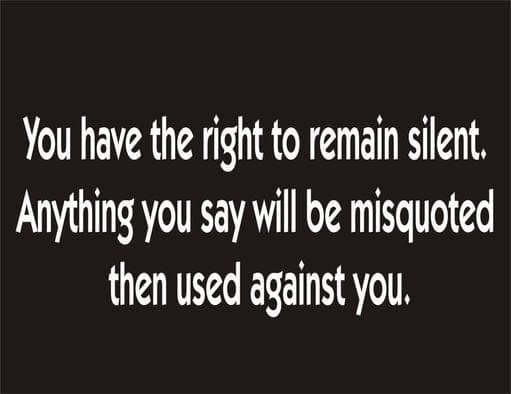
I have the write to remain sane.Anything I say or do can and probably will be used against me at any given time.I have the write to my own opinion.If you do not like or accept my opinion, another one will be presented to you.Do you understand these writes as they’ve been given to you?I am “the Write to sanity”.
Because I knew I had the right to have mental clarity, my own opinions, and to tell my story.
And eventually, I realized that the thing that had kept me grounded since I was a child could be taught to other people who need a place where their words are safe.
So I built it into a program — a self-paced journal therapy course with guided prompts and lessons designed to help people use writing the way I did. To process grief and trauma. A place where they can be honest with themselves without spiraling. And a place where they can find their own voice again.
It’s called The Write to Sanity Journal Therapy Program.
Lately, I’ve gained a few pounds. “Few” is the word I give it when I do not want to face the actual number on the scale. But while the numbers keep climbing, I can’t help thinking my body is trying to tell me something — that my hips and belly are not the only places in my life where I am carrying too much weight.
Maybe it isn’t about what I am eating. But about what is eating me.
The root cause of weight is rarely one thing. On the surface, we are told it is simple: calories in, calories out. Move more, eat less. But a human body is not a math equation. Weight can be shaped by hormones, sleep, stress, medication, genetics, inflammation, poverty, trauma, family patterns, and emotional pain. Sometimes it is not even about overeating. It can be a hormonal imbalance, metabolic resistance, low energy expenditure, poor sleep, changes in insulin, or other medical factors that quietly rewrite how the body uses food.
When hormones are low, the body defends its weight more stubbornly. It slows the metabolism, holds onto water, and scrambles the signals for hunger and fullness. It leaves us tired in a way that sleep doesn’t fix, and then asks us to exercise more anyway. Weight loss starts to feel impossible, not because we are weak, but because our bodies have been given new instructions.
This is not a failure of discipline. It is a body responding to a signal from within.
We are quick to turn physical struggles into personal shame. When the weight does not come off, we start saying, “I am a failure.” But failure is a verdict, not a fact. Our bodies are not betraying us. They are trying to survive according to the instructions given. The pain comes when we blame ourselves for something our body is struggling to regulate.
I am learning to say it differently. “I am not a failure.”
“I am struggling.”
The feeling of failure makes you want to give up, but the knowledge that you’re struggling gives you the sense that it can be figured out in the end.
Weight can also carry emotional meaning, turning the body into a fortress. Extra weight can feel like insulation against shame, attention, rejection, or grief. And sometimes eating is not about hunger; it is about comfort. I have eaten when I was not hungry. And eaten because something in me needed to be held, and food was the closest thing.
Weight is often a symbol of old wounds. It stops being about our body’s size and becomes about whether we feel lovable, acceptable, and safe.
For many of us, this wound is sharpened by the gaze of men. We know intellectually that our worth is not defined by our bodies. But we still feel judged when men comment on it. The words of our parents or past relationships become ghosts that haunt us. Even current casual comments about other women’s bodies can awaken an old fear: “They say I am fine, but their values are watching me.”
The body only hears danger, even if the mind can reason it away.
The fear can show up physically. A sinking feeling in our stomach can become an alarm bell. It asks: “Am I safe? Will I be rejected?” This reaction does not belong to the present moment. It belongs to a younger version of us who once learned that being judged by appearance could threaten our sense of belonging.
For me, the wound began in middle school, when my teacher looked at an old picture and commented on how fat I was. But I did not hear the past tense. I heard, “This is who I am now. This is how people see me, and the real me is unacceptable.” At that age, a careless comment became my inner law.
Our inner child may pretend not to care, but pretending is often a form of protection.
The middle school girl in me who acted untouched was the same girl who was deeply hurt.
Healing begins when we separate our body from the judgment that was placed upon it. Our body is not evidence of failure. Other people’s gaze is not the truth. We can work with doctors, regulate our hormones, track symptoms, and care for our physical health without turning our bodies into the enemy.
My younger self does not immediately know what she needs. She does not want to move closer to me. She only acknowledges that she has finally been seen. And that is enough for now. She does not need to be forced. She just needs me to say, “I saw what happened. And that hurt.”
The deeper work is not about weight loss. It is learning to live in our body without putting it on trial. It is telling our wounded self, “You are not a failure. You are frightened, exhausted, and you are trying to solve something difficult.” It is asking our partners not to comment on other people’s bodies, because our home should be a place where bodies are not judged. It is replacing shame with protection and punishment with care.
The root reason we might be carrying too much weight could be physical, emotional, social, or unconscious. Often, it is several of those at once. But whatever the cause, the person living inside our body deserves compassion.
Weight is not identity. A struggling body is not a failed body.
Healing begins when we stop asking, “What is wrong with me, why can’t I lose this weight?” and begin asking, “What has my body been carrying, and how can I help it feel safe?”
The scale is no longer my enemy. It is a tool reminding me to slow down and listen to my body.
The Weight Beneath the Weight was originally published in Women Write on Medium, where people are continuing the conversation by highlighting and responding to this story.
I’m writing a book for women who feel stuck, confused, exhausted, controlled, unheard, or afraid to be fully themselves in a relationship.
This book is still in progress, but the message matters: every woman deserves to know her worth, recognize what love should and should not feel like, and believe that peace, safety, healing, and freedom are possible.
If you’d like to follow the journey and receive updates, you can join my email list here:
“This dog is driving me crazy.” Always getting in the trash, under my feet at every turn I make.
“This hungry cat is driving me crazy.” She’s so loud and demanding, especially when she thinks I have not fed her soon enough.
“My child is driving me crazy.” Teenagers present their own set of challenges, and each of mine presents me with a new set every week.
“My husband’s actions are driving me crazy.” Coffee cups lined up on an end table and clothes thrown over a closet rod instead of a hanger.
“This slow-heating stove is driving me crazy.” These onions won’t caramelize themselves.
“This weather is driving me crazy.” Hot and humid one day, then cold and windy the next.
“My hair is driving me crazy.” On humid days, the curls pop. But on dry days, I have to use a cabinet full of products to keep them in place.
Everything in my life seemed to ‘drive me crazy.’ And the more I said it, the more life would bring me things to go crazy over. A nail in my tire, almost on an empty gas tank when I was not the last one to drive the car, cat puke when I first woke up, and more.
I didn’t catch it as a pattern at first. I thought I was just being easily irritated. Or having a difficult day. Then I noticed the phrase had become automatic. It was the first words that would come out of my mouth before even thinking about it.
Then I remembered: life and death are in the power of the tongue. Whatever a man thinks, so is he.Be impeccable with your word. The same truths — different languages. Scripture, positive thinking, ancient wisdom. They all say the same thing.
And I realized that I was bringing craziness into my life. Word by word. Complaint by complaint. And if I didn’t stop this loop of professing that I am being driven crazy, then I might actually go crazy after all.
So, I started catching myself mid-sentence. “Oh, my gawd, that is driving meh… (clears throat) um. This situation is a challenge to me in this moment, but I will figure it out.”
“That customer is driving me cra… She is not my favorite customer.”
“Mr. B is driving me… (deep breath in….) Mr. B can be difficult to deal with at times.”
Sometimes I stop mid-sentence, at a loss for words, because some things are better left unsaid.
Money & Momentum is dedicated to honest conversations about money mindset, earning more, and building income beyond a salary. This is not about hype or get-rich-quick promises. It’s about clarity, responsibility, identity shifts, and real momentum.
Darren had always been the star employee. He was a hard worker and the best driver they ever had. He could do long hauls in record time, saving the business money. Customers loved him. They always commented on how friendly and helpful he was. He was a major asset to the business. Clara had always been grateful that Martin took a chance on him when Darren moved up after she and Martin got married.
Clara still remembered Darren’s phone call. “Mom, I can’t do it anymore. I need help. I want to get my life together and move up there and get a job.”
So, they helped him. Let him stay with them for a few months until he was able to get on his feet. He even got sober. Started doing small things around the house and the business. Martin saw how hard Darren worked and offered him a job. It wasn’t long before he was driving.
Darren had been working for them for about five years when it happened.
He didn’t show up one morning. It was so unlike him. Darren always showed up. But he didn’t call either. By mid-morning, Clara felt the familiar tightening in her chest and gut, and her mouth went dry. She swallowed, but there was nothing there, just a cottony thickness coating her tongue and throat. She slowly moved to the window; it was as if she were moving through water. Her mind took her to that dark, familiar place she goes when she knows something isn’t right but doesn’t have proof — and this time her body wouldn’t let her move away from it.
What if he did what his brother did? She tried not to think about it, but she knew he and Mayah had been struggling. Even recently, he called Clara to tell her that Mayah wouldn’t let him leave the house when he’d been pushed to his limit.
Her fingers felt numb as she reached for the phone. The dial tone seemed to come from very far away. “Mayah, have you heard from Darren? He did not show up for work this morning.” But Mayah said she had not heard from him either. Said he left her house the night before, around 8 pm.
Martin decided it was best to do a welfare check at Darren’s apartment. Clara could see the fear in his eyes — that frozen, suffocating dread that had locked her in place. Then the phone rang. It was Mayah, she said, Darren was in the Orange County Detention Center for a DUI. Clara and Martin let out a sigh of relief. Glad he was alive.
But their star driver now had a DUI, which meant the company insurance wouldn’t cover him.
That night, Martin sat at the kitchen table staring at his laptop. Three empty coffee cups lined up next to him. The screen glowed in front of him, spreadsheets and numbers that seemed to mock him. Insurance premiums. Liability coverage. The cost of hiring and training a new driver. He stared at them like they might offer an answer they didn’t contain.
The laptop’s cooling fan hummed steadily — a low, relentless sound that had become the rhythm of his thinking. He leaned forward, and the cold, smooth surface of the built-in desk pressed against his forearms, hard and unyielding.
“We have to let him go,” he said finally, not looking at her.
Clara knew that. But knowing and doing lived in different places.
“We can’t insure him as a driver anymore,” Martin said. “That’s just the fact.”
He closed the laptop. The fan’s hum stopped abruptly. “We have twelve other employees depending on us. We have a business to run.”
He thought of them then, Marcus and David, the younger drivers with kids in elementary school, living paycheck to paycheck. Tom, in the warehouse, was fifty-eight years old, whose wife had just gone on disability. Keisha was putting herself through night school. James, who’d just bought his first house. The temp workers who cycled through with no benefits or safety net.
If he bent the rules for Darren, what message did that send to them? That some people were worth the risk, worth the moral flexibility? That others were just… employees?
“Darren depends on us for survival,” Martin said quietly. “And if I keep him, I’m saying his fuck-up matters more than their stability.”
The silence stretched between them.
The next morning, when Jack showed up to work, he got there right before Martin could make the call.
“What if we moved him to quality control?” Jack said, pouring coffee like he hadn’t just suggested the impossible. “Pete’s drowning in it anyway. Always behind.”
Martin shook his head. “That’s not a demotion. That’s a promotion.”
“I’m not talking about reward. I’m talking about reality.” Jack leaned against the counter. “Darren’s meticulous. You’ve seen his pre-trip inspections. His logs. He notices things Pete doesn’t.”
Martin hesitated. “It sets a precedent,” he said.
“It sets a precedent that we don’t throw people away when they stumble,” Jack said. “That we find a solution instead of taking the easy way out.”
“The job’s physical,” Martin said. “He’d have to be here early. Stay late. Carry equipment. Inspect everything himself.”
“He can do it,” Jack said. “The question is whether we’re willing to let him.”
When Martin called Darren in, Clara positioned herself at the office window. She could see everything: the concrete, the trucks lined up like sleeping animals, Darren walking toward Martin with his shoulders already braced for bad news.
She watched from her perch as Martin spoke. Watched Darren’s shoulders drop — not the drop of disappointment, but the collapse of someone who’d been holding his breath for three days. Watched him nod, almost involuntarily. Then what looked like relief he wasn’t expecting washed across his face — the kind of relief that comes not from getting what you want, but from not losing everything.
Martin extended his hand. Darren took it with both of his hands — a grip that held too long, that said thank you in a way words couldn’t. He wasn’t shaking Martin’s hand the way an employee shakes a boss’s hand. He was holding on to a lifeline.
Martin felt it, the weight of that grip. Darren had no other options. No one else would be willing to take this chance.
Later, Martin came back inside and sat heavily in his chair. “I hope we didn’t just make the biggest mistake of our lives,” he said.
Clara hoped so, too. But hope and certainty lived in separate houses.
The job suited Darren in a way driving had never suited him. Quality control required paying attention, always being alert, and sometimes that never ended. It required something else too-something physical that didn’t show until the end of the day, when Darren’s shoulders ached and his forearms burned.
He moved through the warehouse with a crate in his hands, the weight of it settling into his palms. Dozens of parts to inspect. Pick it, turn it. Examine it under the light. Set it down. Pick up the next one. The motion repeated, hour after hour, until his shoulders screamed and his fingers felt thick and clumsy.
By midday, calluses were forming on his hands-rough patches where the crate handles pressed into his skin. Sweat beaded on his forehead, not from heat but from the concentration required. The work was meticulous, yes, but it was also relentless. Hours of sustained attention meant hours of his body bearing the cost.
Darren caught things no one else saw. Small inconsistencies Pete had been missing. He took it seriously. More seriously than anyone expected. More seriously than Pete liked.
Pete had been doing parts of the job for years, always behind, always frustrated. Now Darren was doing it better. And without complaint. Clara could feel it every time Pete walked past the office-the resentment of a man watching someone do it better.
Then, one Monday morning, Darren showed up to work with his dominant hand wrapped. He had broken his hand playing football the previous afternoon. And now there was an obvious problem. He couldn’t do the job.
This job wasn’t like driving. It required both hands. Stability. Precision. Control. One hand to hold, the other to adjust and stabilize. Without both, the work cannot be performed.
Martin stood in the doorway of the office. “He can’t do it,” he said.
Clara nodded. “I know.”
“We don’t have anything else for him.” Martin reminded her.
There it was again. Not a question. The fact. No one said it out loud, but everyone knew.
Martin spoke up, “He wouldn’t still be here if he weren’t family. If it had been anyone else, he would have been gone after the DUI.”
Clara knew it. Jack knew it. And Darren knew it too.
That was what made it heavy.
“It’ll take months,” Martin continued. “And I have to hire someone else to do the job. He’s put me in a bind again.”
“I know,” she said. “Do what you need to do. We’re not responsible for figuring his life out for him.”
Martin nodded, but didn’t move. “Yeah,” he said. “But I don’t know if I can handle what happens if we don’t help him.”
Clara sat behind her desk, and Darren stood in the doorway, not quite crossing the threshold, as if the space itself was too formal, too official for him to enter fully.
His right hand was in a white plaster cast, prominent and stark against his work clothes. He didn’t look at her. His eyes darted from the corner of her desk to the edge of the window frame, anywhere but her face. “This is so embarrassing,” he said quietly.
The fluorescent light hummed above them. Outside the window, the warehouse continued its rhythm-the sound of work, of movement, of people doing jobs with two functioning hands.
“Well, now what?” Clara asked. “How are you going to work?”
Darren shifted his weight. The cast caught the light. “It’s not that bad,” he said, his voice smaller now. “I’ll be alright.”
But even he didn’t sound convinced. He knew. He knew what a broken dominant hand meant in a job like his. He knew he had no options left.
Jack and Martin were back in Martin’s office, and the weight of Darren’s injury pressed down on Martin like it was his own. “We can’t keep doing this.”
Jack didn’t answer right away. He stood at the counter, arms crossed, watching him. “You said yourself he’s good at the job. Better than Pete ever was.”
“That’s not the point,” Martin replied.
“Then what is?” said Jack.
Martin looked up at him. His hands were flat on the table, as if he needed to hold himself down. “The point is, I have twelve other people depending on me to be fair. And this is showing them that fairness isn’t equal. That some people get rescued and some people get paychecks.”
Jack let out a quiet breath. “Fair doesn’t always look the same.”
“No,” Martin said. “It doesn’t. And that’s the problem.”
He stood up, walked to the window, and looked out at the dark warehouse. The concrete floor was invisible now, but he could see it in his mind — the place where Darren had stood that day after the DUI, waiting to hear if he still had a job.
“If he were anyone else,” Martin said, quieter now, “this wouldn’t even be a conversation.”
Jack nodded. “But he’s not anyone else.”
That was the problem. And the answer. And the part no one knew what to do with.
Martin turned back to face him. “It will take eight weeks for him to recover and his hand to heal,” he said. “Maybe more. Two people doing one job. And everyone else watching to see if I’ll bend the rules for him again, or if this is finally where I say no.”
Jack didn’t move. “Maybe what they’re really watching for is to see what you would do if it were them,” Jack said.
“Whatever we do,” Martin said finally, “we’re going to pay for it.”
Jack gave a small nod. “Yeah, we are.”
Silence settled between them.
Clara stood, listening. She had heard all of it before.
The next morning came gray and cold. Early light filtered through the warehouse windows — the kind of light that made everything look harder, more exposed. The concrete floor was still wet from the overnight cleaning, and the smell of diesel and metal hung in the air.
Darren showed up early, standing just inside the warehouse door. The morning cold had followed him inside. His breath was visible in the air.
Clara watched Martin walk toward him. His footsteps slid slightly across the wet concrete — a soft, uncertain sound, the soles of his shoes catching and releasing with each step. The floor was slick enough to make him move with deliberation, his body bracing against the slight slip of it. The warehouse hummed around them — the ambient sound of a place built for work and movement.
She couldn’t hear what was said. Only saw Martin lift his hand. Then she watched Darren nod and walk away.
About Author : Yoli Kae Reynolds is an author and Certified Journal Therapy Coach based in Central Arkansas. Her writing explores suicide loss, family trauma, and survival in the aftermath of abuse. Her personal essays have appeared on Medium in Women Write and Reaching Hearts, and her fiction in The Fiction Journal. Through both her coaching practice and her fiction, she investigates how systems fail survivors and the violence that echoes through families.
The Fiction Journal is a home for stories that make you feel and think. The Fiction Journal is for readers who believe that good fiction doesn’t just entertain — it resonates.
I can see her face, looking up, eyes open, skin pale and purple — a soil-stained, china-doll face. Dirt and leaves around her. This is how he left her.
This is what I see when I close my eyes, when I open them, when I’m driving to work or standing in line at the grocery store.
“Remember me.”
I do. God help me, I do.
Her voice isn’t loud. It’s soft. So soft I could almost pretend it isn’t there, but it cuts through me like a scream. It comes out of nowhere. And when it does, there’s no shutting it out.
“Tell them what happened.”
She deserves that and more. But the parole board doesn’t deal in what people deserve. They deal in time served and good behavior. They deal with a Preacher proclaiming reformation, as though he deserved it.
A man of God, they called him. The community trusted him and loved him. When he stood at the pulpit, they heard divine authority.
We trusted him, too. My husband was his friend.
Twenty-four years. That’s what her life was worth in the arithmetic of justice. After fifteen years had passed, he was eligible for parole. He could be eating breakfast in the local diner, coffee and eggs in front of him. Bowing his head, thanking God for his freedom.
The same God whose name was in his mouth when his hands were around her neck. And the people at the next table would pass him the ketchup, not knowing what he had done.
In my mind, she will always be in that hastily dug pit. Leaves caught in her hair, just enough dirt to hide, but not bury her. Cyanosis for make-up. And that stare, frozen for eternity.
“Tell them my name”.
I remember watching the news. I was states away, safe in my own home, or so I thought. When they announced that Michelle was gone and that he had done it, then my world tilted. I didn’t need to be at the crime scene to see it. I saw it in my own living room. Because I knew it could have been me.
I knew the look in my husband’s eyes when he was angry, the hands that grabbed too hard, the voice that used scripture to silence me.
Michelle’s death was a mirror I couldn’t look away from. If it wasn’t for her and the horrific price she paid, I might still be there. Still shrinking into the corners of my house, pinned there with the weight of his body, convinced it was my cross to bear.
Her death was the only thing loud enough to tear through the silence of the lies I’d been told.
People have told me that I have an empathic gift. That I’m sensitive to things other people feel.
It wasn’t a gift; it was cold-blooded terror. I knew that the only difference between Michelle’s story and mine was a few years and a shallow grave.
I felt the weight of my husband’s rage. The certainty that one day he’d go too far and I’d be the one in the ground. That atrocity saved my life. It was a warning, not a gift. The voice of a woman who had been murdered was loud enough to be heard by a woman who might be next.
The living move on because they have to. But I can’t, and she won’t let me — or maybe I won’t let her.
“Say my name.”
Michelle Piwowar. Her name was Michelle.
Michelle Piwowar, who loved running and lit up when her children were around. Michelle, who had the longest, most beautiful curly hair I’d ever seen. Michelle, who loved to bake fresh bread for her family. Michelle, who was more than what he made her. More than a body in a hidden patch of earth. She was more than a victim. She was my friend.
I’ll say her name and remember she was a person, not just a crime or a page in his redemption story.
Why can I still hear her?
Maybe nobody else is listening. Because the world wants to forgive him and forget her. She’s trapped between being the woman she was and the victim he made her, and I refuse to let either version disappear.
Remembering is the only thing I can still do for her. But it’s more than that. I hear her because I owe her my life.
I can still imagine her face, purple skin, and those unblinking eyes. I don’t just feel horror anymore. I feel a debt. I hear her voice in the quiet moments, and I realize she wasn’t just whispering for herself. She was screaming across state lines, screaming through the news reports, loud enough to shatter the walls of the prison I was living in.
She screamed clear enough for me to finally hear the truth about my own marriage. Before my own story ended in the dirt.
And yet, after I left him, I could still hear her.
Michelle, it’s been 22 years since Robert took you from this world. I am breathing this free air because you stopped breathing yours. I will never forget it. I owe you my every breath.
I remember Michelle. I will always remember you.
Remembering Michelle was originally published in Women Write on Medium, where people are continuing the conversation by highlighting and responding to this story.
Paul sat at his dining table, staring at the license plate number he’d scribbled on the palm of his hand in haste as the woman from the library sped off. She barely acknowledged him, and he wasn’t even able to get her name. Instinctively, he smelled the palm of his hand, remembering the way her bookmark smelled, the way she smelled. He searched the internet for her address. Talking to himself, he said, “Oh, look, the car belongs to Mildred Huff. Mildred? Millie, that’s what I would call her. Mildred seems a bit old-fashioned. No, that can’t be right. Let me see how old this Mildred is.”
Upon further investigation, Paul discovered that Mildred was way older than the woman in the library. But Mildred did have a daughter named Debbie. “Hmmm, Debbie looks like she may be who I’m looking for. Dang, these privacy settings are getting on my nerves. I just want to find one good photo to confirm. I will keep searching.” Mouthing his thoughts, Paul continued searching the internet looking for a photo of Debbie.
****
Meanwhile, Debbie was conducting her own investigation. She kept her TruthFinder account active, one of the few apps she allowed herself to use. TruthFinder was a background-check app she downloaded after her incident with that guy at the coffee shop. She decided she would never go on another date without knowing everything she could find out about a guy first. But she didn’t find out anything more than she already knew about Paul. He was rich and donated generously to the library, at least that’s what the internet said.
For a brief moment, Debbie wished she still had social media so she could stalk him properly. But she’d deleted everything. Instagram, Facebook, TikTok, all gone. She’d even tried creating a fake account under a different name once, thinking she could slip back into the digital world undetected. But it didn’t feel right. She couldn’t keep up with all her friends and acquaintances without raising suspicion, and the isolation of a half-life online felt worse than no life at all. Not because of strangers like Paul, but because of her mother, Mildred.
Mildred stayed glued to social media, watching Debbie’s every move, commenting on her photos, messaging her friends, inserting herself into every corner of Debbie’s digital life. It was suffocating. So Debbie erased herself from them entirely. At least with TruthFinder, she could protect herself.
Mr. Paul was a handsome guy, but there was something about him that made her feel uneasy, and she wanted to know why. She wanted something tangible, something that she could say, Aha, see? This is why. But she found nothing. Still, his presence at the library triggered something in her, reminding her that she was never truly safe from being watched or consumed by someone else’s need.
Earlier, Mildred noticed Debbie had grown quiet, so she inquired about her night. “Are you okay, sweetie? Did something happen at the library?” she said in her raspy smoker’s voice, intently watching Debbie’s facial expression.
Debbie explained her awkward encounter with Paul. She told her Mom that he would not stop staring at her and how he would interrupt her reading to try to have a conversation with her. “In the library of all places, where you’re supposed to be quiet,” she said, frowning.
But as she spoke, she felt the memory of him again, how close he’d gotten, so close she could feel the warmth of him behind her. She remembered how he made her flush, but also that flutter low in her stomach. She was attracted and terrified at the same time, and that contradiction left her confused and a little ashamed. How could she be scared of someone but also drawn to them? It didn’t make sense, and she couldn’t explain it to her mother without sounding foolish.
Mom blew her off, said he was probably just trying to be nice. The reaction Debbie expected, which is why she left out the details of how he sniffed her hair and took a whiff of her bookmark before handing it back to her. She didn’t want to seem like she was over exaggerating. Even though Mom supported Debbie throughout the trial those ten years ago, she could tell it had worn Mom out, as if the incident had happened to her instead of Debbie.
She loved her Mom, but she was ready to have her own place again. She moved here to help her out after Dad died. No one thought Dad would go first; he was the healthy one, the one who held everything together. After he retired from military service, he drove Mom everywhere, even though she had her license. He cooked every meal, managed the finances, and made every decision with precision and authority. Mildred never questioned it. Although she spent decades resenting his control, she never actually did anything about it. Dad managed her as an Air Force Captain would.
When he died suddenly of a heart attack, Mildred didn’t just lose a husband. She lost her framework for existing. She didn’t know how to be alone, make decisions, or function without someone telling her what to do. So she’d turned to Debbie.
And Debbie had to step into her father’s role, driving her Mom to appointments, managing her medications, making decisions about the house, money, and everything. Once again, she became the one to hold her Mom together to absorb her anxiety and fear. Dad had chosen it, but Debbie had to slip back into it. The weight fell entirely on her, just like it had when she was a child, when she had to be Mom’s emotional support. Back then, Dad tried to be the buffer, but now he was gone.
Living here with Mom did come with a few perks, though, like free room and board and a classic car to drive. Mom’s old ’68 Ford Mustang. Debbie couldn’t wait to make it her own. Not that she was trying to rush Mom on to Gloryland with Dad, but rather that she was looking forward to it when the time came. At least that’s what she told herself.
It would be pretty shitty if she wished for her Mom to move on that way, wouldn’t it? But she did. And she even wrote about it in her journal once. It was late, she was exhausted, and she admitted it on paper. I wish she would die.
Only five words. And yet they looked so unforgiving and shameful on the page. She trembled as she stared at them. She didn’t plan to write them; they just spilled out like blood on paper.
Then she started to panic. What if Mom found it? What if she went snooping through Debbie’s things again? Debbie ripped the page out, tore it into pieces, and flushed it down the toilet. She watched the water swirl them away as her heart pounded.
But the thought of it didn’t flush away with it. It stayed, along with the guilt, the religious kind of remorse. Wondering how you could honor your father and mother while wishing she were dead. That verse haunted Debbie, her Mom reciting it whenever she disobeyed as a child or expressed a different opinion as a teen, and she remembered her pastor’s sermons in church. But how could she honor someone she resented? Someone whose neediness drained her dry, whose tears and complaints filled every room and every thought? Mom made love feel like a debt Debbie could never repay.
Often, Mom would sit and cry because no one talked to her, even though Debbie had just spent hours listening to her. Mom would get her feelings hurt when Debbie didn’t give her the time she felt she deserved, as if being a mother meant Debbie owed her everything. And maybe she did, wondering if that’s what honoring meant. But Debbie was tired of the one-way emotional labor; she was drowning in it and felt guilty for wanting her own life.
So, she endured her Mom’s smothering ways and how she made everything about herself. Sometimes she even caught herself doing the same thing. Once, she was texting a friend who was complaining and needing reassurance, and Debbie found herself telling her friend all about the times something similar had happened to her, instead of comforting her. She always did this, deflecting instead of dealing with it head-on.
Today, Debbie decided to stay in her room and read to avoid Mom. Also, because she was afraid to go back to the library. Now, where was she going to find good books to read for free? She hated reading books on an electronic device; there was something special about holding a book in your hands, the way it feels, the way the pages smell when you turn them. On a device, everything felt trackable. Books were real and tangible, something her Mom couldn’t scroll through, couldn’t monitor, couldn’t comment on.
Debbie loved underlining the words and phrases on the pages that spoke of her hunger and need for escape and self-knowledge. It was empowering and bold. Like being a graffiti artist in a small act of rebellion. Until the weight of guilt crept in. What if Mom finds the book and reads what was underlined? She would think it’s about her. And she would get her feelings hurt.
****
Paul refreshed the page again. Debbie Huff. No photos or anything to scroll. He leaned back in his chair, smiling.
“That’s okay,” he said quietly. “I know where to find you.”
****
From down the hall, her mother called her name. Debbie closed the book, thumbing the edge of the pages. She set it aside and closed her eyes, pretending to be asleep.
About the Author: Yoli Kae Reynolds is an author and Certified Journal Therapy Coach based in Central Arkansas. Her writing explores suicide loss, family trauma, and survival in the aftermath of abuse. Her personal essays have appeared on Medium in Women Write and Reaching Hearts. Through both her coaching practice and her fiction, she investigates how systems fail survivors and the violence that echoes through families.
Have you ever met someone who checked all the boxes-kind, consistent, emotionally available-and felt… nothing? Or worse, felt suspicious?
If you’ve experienced relational trauma, this disconnect isn’t unusual. Your mind might recognize healthy love, but your body hasn’t yet learned to trust it. You’re not broken. You’re just wired for survival, not safety.
In my last post, I wrote about green flags: what healthy love actually looks like. But recognizing green flags and choosing them are not the same thing.
After trauma, your nervous system doesn’t automatically trust calm. Sometimes it craves chaos. Sometimes intensity feels like connection. Sometimes steady feels suspicious.
That doesn’t mean you’re broken. It means your body learned survival first.
The Tension Between Knowing and Choosing
You can intellectually understand what healthy looks like and still feel pulled toward what’s familiar. If you were trauma-bonded, adrenaline feels like chemistry. If you grew up in unpredictability, stability feels flat. If you survived control, freedom feels unsafe.
Your mind may say, “This is healthy.” Your body may say, “Something’s missing.”
That internal conflict is normal. Healing is learning to let your nervous system catch up with your wisdom.
Slow Down Attachment
Trauma moves fast. Intensity can feel urgent, exciting, magnetic. But healthy relationships don’t require urgency.
“Healthy people are not threatened by pacing.”
You don’t need to match someone else’s pace. You can slow conversations down, slow commitment down, and slow future planning down. When you refuse to be rushed, the fog of intensity clears, and you can finally see what’s actually there.
Watch Patterns, Not Promises
Words can be persuasive. Apologies can feel meaningful. Declarations can sound convincing. But patterns tell the truth.
Do they regulate consistently? Do they respect your boundaries repeatedly? Do their actions align with their words over time?
“Safety is not situational. It is consistent.”Listen to Your Body
Notice your physical responses. Are your shoulders tense? Do you rehearse conversations in your head or scan for mood changes? Does your stomach tighten or your breath become shallow? Do you feel relief when they leave?
Your body notices safety before your mind explains it. These signals aren’t signs of weakness-they’re your nervous system gathering information. Notice them without judgment. You’re simply collecting data.
When you’re around someone, does your body gradually relax, or does it stay braced for impact? That difference is everything.
Stop Managing Other Adults
After trauma, many people become hyper-aware of other people’s emotions. They anticipate reactions and adjust themselves to prevent explosions. But in a healthy relationship, you’re not responsible for regulating another adult.
You can be compassionate without becoming their emotional manager. If you’re constantly scanning and soothing, pause. That pattern belongs to the past.
Chemistry vs. Calm
Adrenaline is not intimacy. Intensity is not depth. Healthy love may feel less dramatic but more sustainable.
If you find yourself addicted to highs and lows, ask whether you’re feeling connection or activation.
“Calm may feel unfamiliar. But calm is secure.”Rebuilding Trust in Yourself
Trust is rebuilt through small decisions: honoring discomfort instead of dismissing it, saying no, observing the response, leaving early when something feels wrong, and listening to your intuition even if it inconveniences someone else.
You don’t rebuild trust by being perfect. You rebuild it by being honest.
Choosing green flags after trauma is not about finding flawless love. It’s about becoming regulated enough to recognize safety and brave enough to stay in it.
You are not behind. You are rewiring. And that is real healing.
Key Takeaways
What’s one green flag you’ve learned to recognize in your own healing journey? Or what’s one pattern you’re working to unlearn?
Share in the comments below-your story might be exactly what someone else needs to hear today.