
Last updated on March 24, 2026
Why Sometimes You Need to Uproot Yourself

When I was married to my abusive husband, who was also my pastor, I read my Bible daily and worked through countless self-help books on marriage and becoming a better wife. I applied everything I learned. Yet nothing changed — at least not in the way I hoped. I wanted to see a man who valued me enough to stop his abuse. I didn’t understand then that I had to love myself first.
When I finally did start loving myself, transformation began. But it wasn’t him who changed — it was everything else. I saw my own worth. I recognized that I deserved better. I realized I didn’t have to endure the yelling, screaming, and berating anymore.
He never changed, but I did. And something else happened, too: I threw out those self-help books. I got rid of them and refused to read them again. I was angry. They hadn’t worked, and I blamed them for keeping me trapped in that marriage.
For a while, I even rejected anything religious, including the Bible. But one morning, I woke up and realized that none of it was God’s fault. I had made my own choices — that free will we all have. Though I felt forced to stay, I wasn’t literally in bonds or shackles.
When I began writing my memoir, Not What God Promised, I returned to those books to understand myself better and why I’d stayed so long. Reading them made me physically ill, thinking, puke, I can’t believe I tried this.
Now, over 11 years after my divorce, those books still sit on my shelf. I kept them as a reminder of who I was. And I’m about to celebrate the 8-year anniversary of my marriage to my best friend — the one who loves me regardless of how prickly perimenopause or menopause has made me.
This man has walked with me through the worst times of my life: learning to parent a child who was harmed while parenting the child who caused harm, losing my son to suicide, and going through menopause more than once — yes, that’s actually a thing. If you use Hormone Replacement Therapy and those hormones wear off, you experience peri and meno all over again. Not fun for anyone around you.
Today, when I open those same books, I think, “This is actually good stuff.” I read them with a completely different mindset now. Before, I believed that if I changed or became perfect, my narcissistic abuser would change too.
Now I read them, knowing that anyone can benefit from self-help, but I don’t do it to change my husband. Instead, I want to implement things I’d forgotten or taken for granted — like reminding him how much I appreciate and respect him. I do it because I love him and genuinely want him to know how much he means to me.
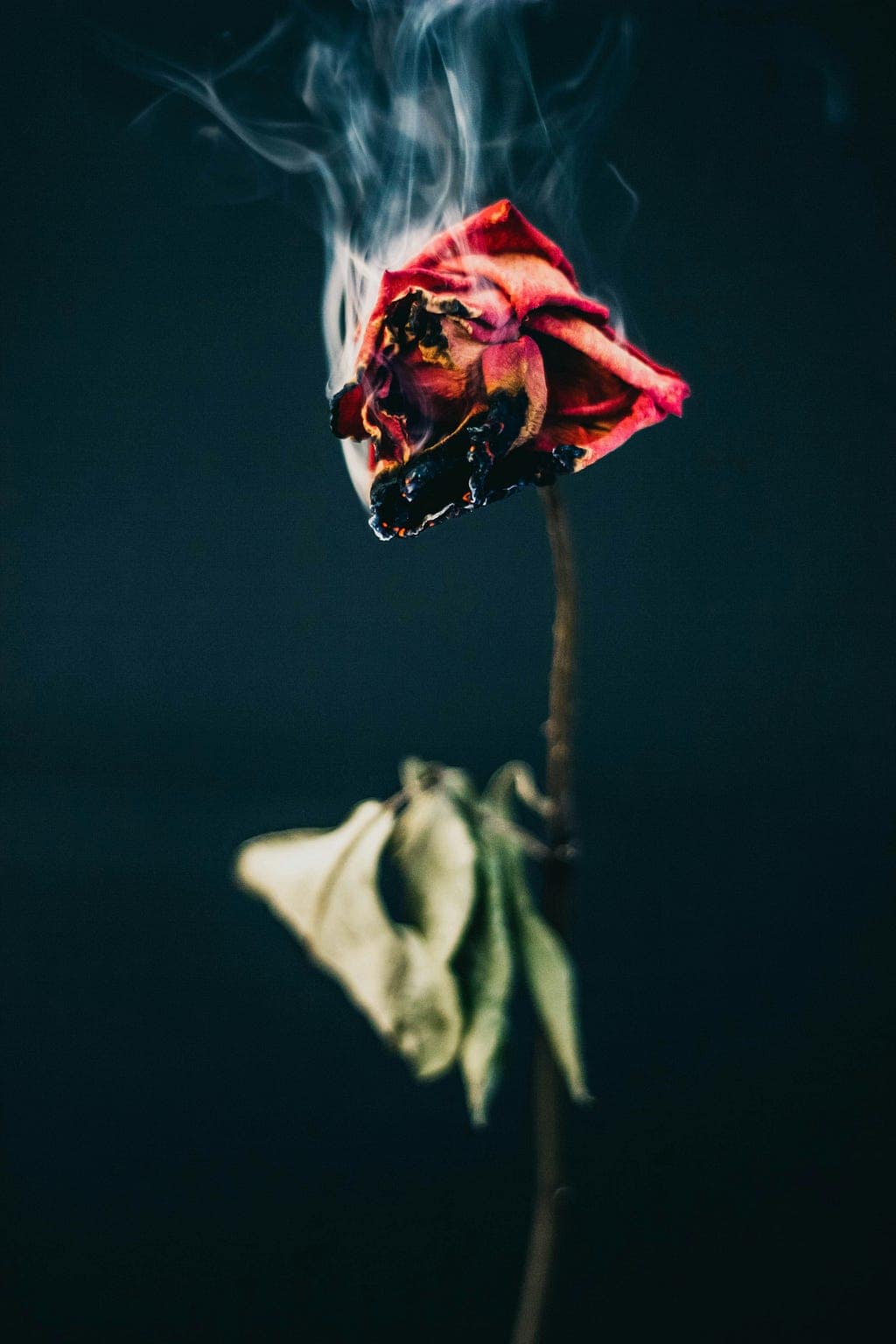
A plant can have strong roots, healthy leaves, and all the potential in the world, but if it’s planted in toxic soil, denied sunlight, or constantly trampled, it won’t thrive. No amount of watering or fertilizing can overcome a fundamentally hostile environment. The plant doesn’t fail because it’s weak — it fails because it’s in the wrong place.
But take that same plant and move it to healthy soil with light, space, and protection. When you fertilize it, it flourishes. Nothing about the plant changed. The difference was the conditions surrounding it.
You and I are the plant. These books are the fertilizer. This explains why so many Christian people turn to atheism and similar paths. Those books weren’t useless. They were simply being applied in an environment where growth was impossible.
I was trying to nurture something in soil poisoned by abuse. My brain associated those books with pain and trauma.
They tell you to “bloom where you’re planted.” That’s a lie designed to keep you stuck.
Now, in healthy soil — with a partner who waters rather than withers me — those same books finally make sense. I no longer keep them on my shelf as monuments to my pain. They’re proof that the right tools in toxic conditions can’t save you. The bravest thing I ever did wasn’t trying harder to bloom in poison. It was ripping myself out by the roots and replanting somewhere I could actually thrive.
I was never the problem. The soil was. And no amount of positive thinking, prayer, or self-improvement books couldchange that.
Sometimes you don’t need better fertilizer. You just need to get the hell out.
NOT BLOOMING WHERE YOU’VE BEEN PLANTED was originally published in Reaching Hearts on Medium, where people are continuing the conversation by highlighting and responding to this story.
Discover more from Yoli Kae
Subscribe to get the latest posts sent to your email.
Be First to Comment