
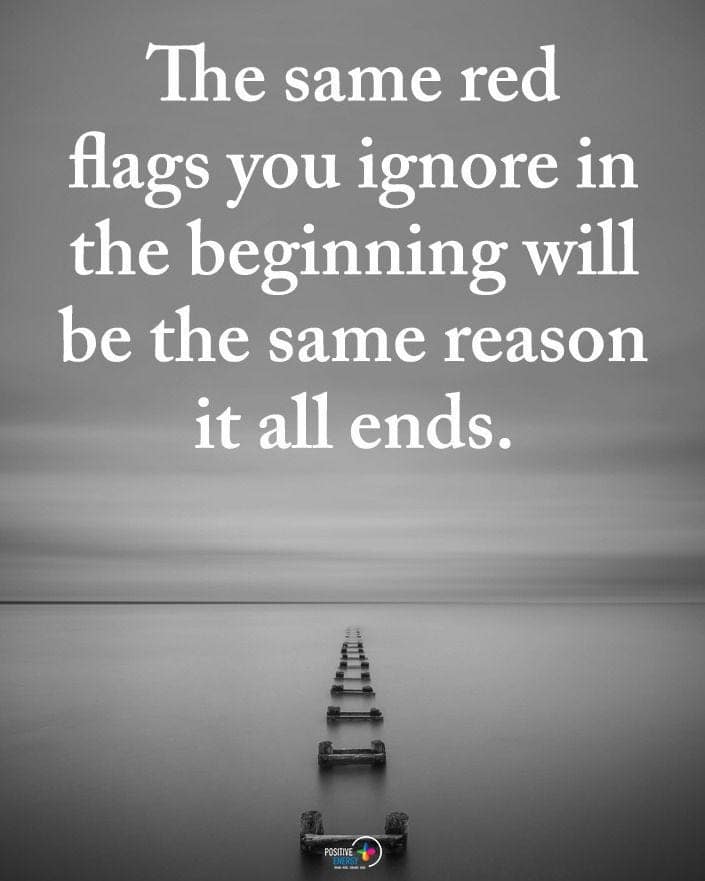
Why We Run Back to the Red Flags

It’s Not God’s Fault — Red Flag Series
We’ve all heard the advice: “When someone shows you who they are, believe them.” It sounds so simple. So why, when we finally get away from a toxic situation, do we often find ourselves running right back into the fire?
In this post, I share a story I’m not proud of, but one that I know many of you will recognize. It’s the story of a night when fear overrode my logic, and a familiar demon felt safer than an unknown threat.
The Night the Shield Came Down
I was at a high point, just promoted to manager at the dry cleaners, but a low point emotionally. I was exhausted and lonely, living in a house that felt far too vulnerable, with its glass back door and no curtains.
When an intruder began tapping on that glass late one night, threatening to break in, my world shattered. The police came and went, but the safety didn’t return. In that moment of raw, adrenaline-fueled terror, I didn’t call my parents. I didn’t call a friend.
I went to Preacher’s house.
I went back to the lion’s den because I knew exactly how that lion bit, and in that moment, that felt more “manageable” than the stranger at my door.
The Illusion of Being “Chosen”
When I arrived, I was met not with comfort, but with coldness. Preacher didn’t ask if I was okay; he critiqued my appearance and told me he had been out with another woman.
When I told him I was thinking of moving away to start over, he didn’t support me. He attacked the idea, framing my independence as a mistake. Then came the hook — the words every trauma-bonded person longs to hear:
“Take me with you. There’s nothing here for me.”
In that moment, the red flags turned white. I felt special. I felt like the “winner.” I didn’t know then that he wasn’t choosing me because I was special; he was escaping a pregnant girlfriend and a life of responsibility. He was looking for an exit, and I was his getaway driver.
The Science of the “Relapse”
Why do we do this? Why do we return to people we know are dangerous?
It’s not because we are weak or unintelligent. It’s because a crisis hijacks the brain.
When we are in a state of high stress, our “logical brain” (the prefrontal cortex) goes offline. Our “survival brain” (the amygdala) takes over. This part of the brain doesn’t care about long-term health; it only cares about immediate relief.
To your nervous system, familiarity equals safety, even if that familiarity is a toxic relationship. This is called a Trauma Bond. We aren’t looking for love; we are looking for a “regulator” — someone to stop the current shaking, even if they are the ones who caused the earthquake in the first place.
How to Protect Yourself
Most “emotional relapses” happen when we are **H.A.L.T.**ed:
- Hungry
- Angry
- Lonely
- Tired
I was all four that night. If you find yourself reaching for a “red flag” person, stop and check your vitals. Are you scared? Are you exhausted? If so, you aren’t making a choice out of love — you’re making a choice out of survival.
Closing Thought
We ignore red flags because familiar chaos feels safer than unfamiliar peace. But remember: A familiar fire will still burn you.
(Click here for your Free Guide for Identifying Red Flags)
Listen to the full episode of It’s Not God’s Fault on your favorite podcast platform.
Next Week on the Blog:
We’re diving into a red flag many of us overlook: How he treated his mother. The ultimate mirror of how he would eventually treat me.
Discover more from Yoli Kae
Subscribe to get the latest posts sent to your email.
Be First to Comment