Happiness Over Grief

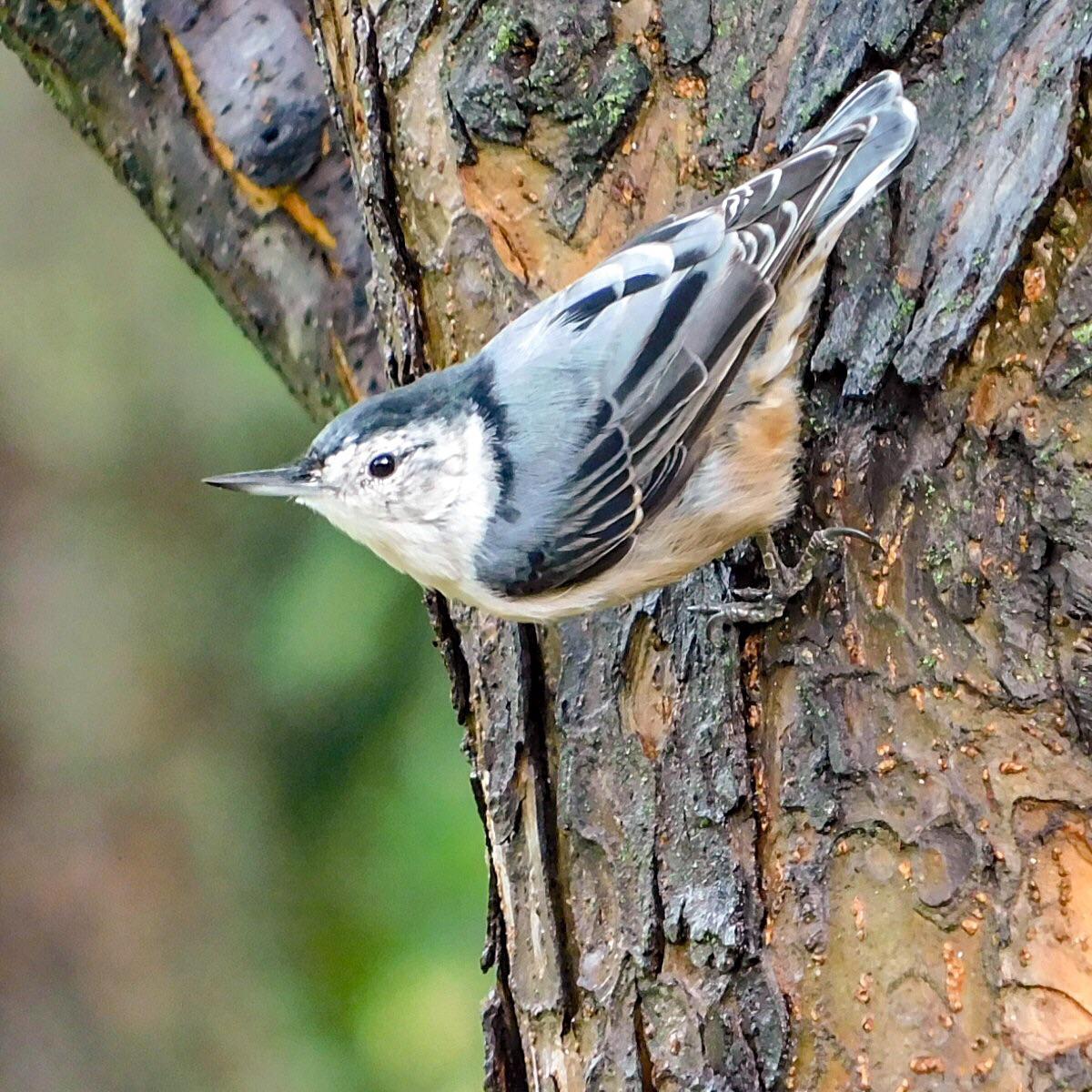
Reflections From The Nuthatch

Grief and trauma don’t vanish just because we decide it’s time to be happy. Healing isn’t about pretending the pain is gone or forcing ourselves to move on. It’s slower than that, quieter. It asks to make room for what hurts, instead of pushing it away.

But even when loss has taken more than we ever thought we could survive, we still have something left. We still have a choice. Not always in the big ways, but in the gentle, daily ones. We can choose how we care for ourselves in this moment. We can choose rest and compassion instead of self-blame and sorrow.

Breathe. Pause. Allow yourself to be grounded instead of letting the overwhelm take over.

Happiness after grief doesn’t mean forgetting who or what you lost. It doesn’t mean the pain has vanished or that what you lost no longer matters. It means hope is making space beside the sorrow. Not replacing it, just sitting next to it.

Choosing joy is not a betrayal of your pain. It’s an act of survival.

The nuthatch teaches this well. A bird that doesn’t soar or flee, but stays close to the trunk. It climbs downward, upside down, navigating the world in ways that feel strange but steady. When everything is tilted, when nothing feels safe, it continues anyway. The nuthatch holds tight. Its strength isn’t in beauty or speed, but in holding on.

It doesn’t rush. It circles back, rechecks, and returns.

And that is how grief moves. It isn’t in a straight path, with clarity or closure. It returns, pauses, then returns again.

The Nuthatch teaches us to stop reaching for an escape. Stay connected to the present moment, even when life feels upside down, and return to the things that support us.

Where the hummingbird says, “I am still here despite the cost.”

Where the mourning dove says, “Peace can exist with sorrow.”

The nuthatch says, “I will stay with what steadies me, even when the world feels upside down.”

Are You Addicted to Suffering and Struggle?

Are You Addicted to Suffering and Struggle?

A Letter from One Survivor to Another

Let me take you on a journey through my own cycle of pain, one that might mirror your own.

For over 24 years, I stayed stuck in a cycle of pain. Not only because I didn’t know how to escape, but also because I had no idea that part of me had become used to it. That pain was my comfort zone; I needed it. That is not easy to admit, but maybe that is precisely what you need to hear.

I was addicted to pain and suffering. And maybe you are too.

Consider if your life feels like a constant storm, with relationships that break rather than build you, where chaos feels more familiar than peace.

Then I want you to consider that you might be emotionally addicted to your struggle. In the same way, someone is addicted to alcohol, cigarettes, or drugs.

You don’t choose to be this way on purpose, but you can choose to stop feeding it.

How Does Someone Get Addicted to Suffering?

It might seem strange, but when survival mode becomes your norm, your body adapts to a constant state of fear, anger, and panic, as if these emotions are essential for survival. The body doesn’t know good adrenaline from bad. It just feels familiar. So if pain becomes what you’re used to, your brain will start chasing it like a drug.

I’ll be honest with you: After I left my abusive husband, I thought I’d be free. But instead, I felt lost, restless, and empty. And one day I caught myself missing the drama, missing the feeling of being needed, even if it came with cruelty.

That’s when I realized I wasn’t just healing from abuse. I was detoxing from it.

Understanding the Chemistry of Emotion

Here’s what’s really going on under the surface. Every emotion you feel, love, sadness, rage, guilt, and fear, comes with a chemical mix your body gets used to. When you feel anger or shame over and over, your body floods itself with stress hormones like cortisol and adrenaline.

And your nervous system thinks,

 “Ah, yes. This is normal. Let’s keep doing that.”

It doesn’t care if it’s killing you emotionally.  It only cares that it’s predictable. That’s why breaking the cycle is more than leaving them. It’s also about rewiring your system and healing your brain. You have to teach your body that peace isn’t dull, it’s safe.

Why You Keep Ending Up With the Same Kind of Person

If you’ve ever escaped one toxic relationship only to fall into another… and another…

You’re not weak or broken.  You’re still addicted to the feelings that chaos brings.

And your brain will unconsciously lead you straight to people who can give you the fix.

It’s not because you want to be hurt, but it’s because deep down, you don’t yet believe you deserve anything else.

The Good News: You Can Break Free

I won’t lie to you. Healing is hard, but so is staying stuck. The difference is that one of them leads somewhere beautiful.

Here’s how I started the process, and you can too:

1. Tell yourself the truth.

Not the story you’ve been told or the lie that “this is just who you are.”

Say the truth, you are addicted to survival mode, and you were made for so much more.

2. Decide that it ends with you.

Not tomorrow, not when it gets easier. Right now.

You don’t need to hit another rock bottom to be done.

3. Catch yourself.

When the negative self-talk kicks in or when you feel that familiar urge to sabotage yourself, tell yourself, “I deserve better.

Then, breathe, even if you don’t believe it yet.

4. Let peace feel weird for a while.

Because it will, trust me. Quiet will feel loud, and safety will feel foreign.

That’s okay. Stay there anyway. Let yourself get used to calm.

5. Give it time. Give yourself grace.

This isn’t about perfection; it’s about persistence.

You’re teaching your nervous system a new language. That love doesn’t hurt, and peace doesn’t mean danger.

One More Thing,

You’re not broken. You’re not stupid for staying too long.  You were surviving.

And now? You’re waking up.

Your addiction to struggle isn’t your fault, but healing is your responsibility.

You deserve a life that doesn’t hurt. And it’s waiting for you, whenever you’re ready.

DON’T TAKE IT PERSONAL

DON’T TAKE IT PERSONAL

Why You Take Everything Personally (And What No One Told You About It)

Let’s be real. You don’t just “hear” what someone says—you absorb it.
A sigh? You feel it like a slap.
A short text? Your stomach drops.
If they are quiet? You spiral.

Taking things personally isn’t a flaw—it’s a reaction to what you’ve been through…

Someone trained you to feel this way.

Maybe you were in a relationship like mine—one where your partner, or parents, made sure you were never really safe. Where you had to study their mood the way a sailor studies the sky.
Because one wrong word, one wrong look, could start a storm.

I know what that feels like.
To live in a home that felt more like a test.
To love someone who used your love against you.
To be blamed for everything—their anger, their silence, their outbursts, their boredom.

When you’re with an abuser, especially for years, you don’t just fear them—you become them in your own head.
You start criticizing yourself before they can.
You start shrinking your needs because it’s safer that way.
You start interpreting everything around you as a threat.

That’s why you take things personally.
Because you were trained to see danger in the subtlest shifts.

You were taught that mistakes mean punishment.
That emotions are weapons.
That love means walking on eggshells while setting yourself on fire to keep someone else warm.

So now, when someone gives you feedback, you feel attacked.
When someone pulls away, you assume it’s your fault.
When someone’s upset, you blame yourself.

But here’s the part you need to hear:
It’s not your fault.

You were conditioned to believe that your survival depended on reading people perfectly.
You weren’t being sensitive—you were being smart.
You were protecting yourself.
But now?
Now you don’t have to live like that anymore.

That voice in your head telling you “you messed up,” “they hate you,” “you ruined everything”—
That’s not your voice.
That’s theirs.
That’s the voice of the person who broke you down, not the one who gets to build you back up.

And you’re allowed to question it.
You’re allowed to replace it.
You’re allowed to heal—even if they never apologize.

So if you’re sitting there wondering why you take things so personally, let me say this:

You’re not crazy.
You’re not broken.
You’re carrying a survival instinct that once kept you safe—but it doesn’t have to run your life anymore.

You can learn to breathe again.
To trust again.
To love without fear.
To hear someone’s words without turning them into wounds.

You’re allowed to take your power back.

One truth at a time.