Grief and trauma don’t vanish just because we decide it’s time to be happy. Healing isn’t about pretending the pain is gone or forcing ourselves to move on. It’s slower than that, quieter. It asks to make room for what hurts, instead of pushing it away.
But even when loss has taken more than we ever thought we could survive, we still have something left. We still have a choice. Not always in the big ways, but in the gentle, daily ones. We can choose how we care for ourselves in this moment. We can choose rest and compassion instead of self-blame and sorrow.
Breathe. Pause. Allow yourself to be grounded instead of letting the overwhelm take over.
Happiness after grief doesn’t mean forgetting who or what you lost. It doesn’t mean the pain has vanished or that what you lost no longer matters. It means hope is making space beside the sorrow. Not replacing it, just sitting next to it.
Choosing joy is not a betrayal of your pain. It’s an act of survival.
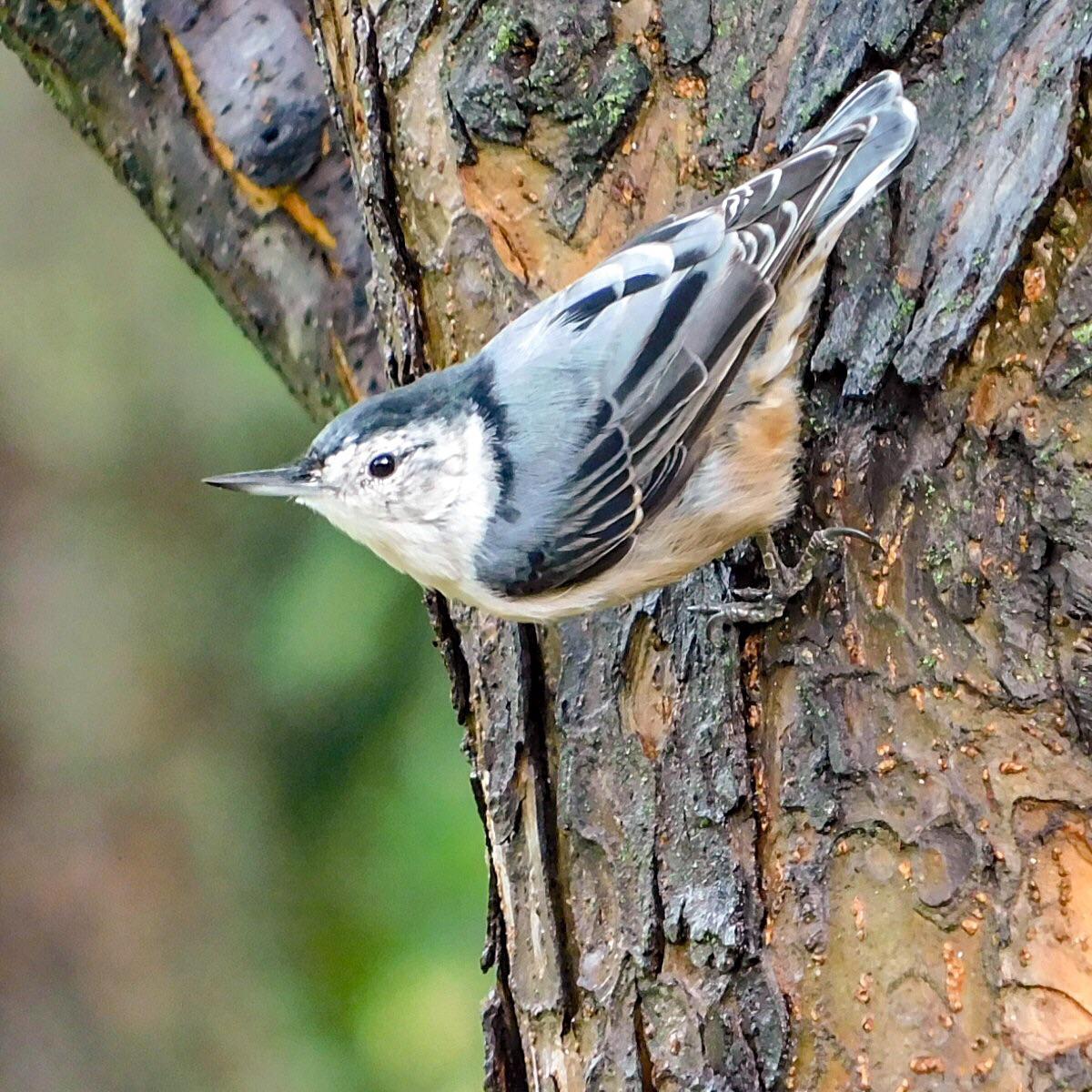
The nuthatch teaches this well. A bird that doesn’t soar or flee, but stays close to the trunk. It climbs downward, upside down, navigating the world in ways that feel strange but steady. When everything is tilted, when nothing feels safe, it continues anyway. The nuthatch holds tight. Its strength isn’t in beauty or speed, but in holding on.
It doesn’t rush. It circles back, rechecks, and returns.
And that is how grief moves. It isn’t in a straight path, with clarity or closure. It returns, pauses, then returns again.
The Nuthatch teaches us to stop reaching for an escape. Stay connected to the present moment, even when life feels upside down, and return to the things that support us.
Where the hummingbird says, “I am still here despite the cost.”
Where the mourning dove says, “Peace can exist with sorrow.”
The nuthatch says, “I will stay with what steadies me, even when the world feels upside down.”
Is it possible to have the marriage of your dreams? Are you a husband wishing you were appreciated? A wife wishing you felt loved? What if I told you that true love and soulmates can and do exist? Would you roll your eyes? That’s what I did when people mentioned it.
I remember doing a cleaning estimate in the home of an elderly couple, Elsie and Jim. I always asked our potential clients to walk us from room to room and tell us what they expect, and I would, in turn, tell them what we would do as I would reach up and rub a finger across the top of the door frame, checking to see how much dust was up there. I had a notebook and a pen, writing down each room we entered and anything I noted, and anything they specifically mentioned. It was a modest home in an older neighborhood that was once home to the upper middle class. The home’s original layout was smaller, with add-ons like a step-down den with an attached, closed-in sunroom. The trees no longer let the sun in. The furniture and decor were what you would expect for someone in their 80’s. Their house was not dirty by any stretch of the imagination, but they were not able to keep up with the cleaning, as their eyes and muscles just were not up to the task. Elsie was walking us from room to room, explaining what she expected and asking if we did certain things. She went on to tell me how she found out about us, which ensured her a discount. When we reached the formal living room, we found metal sculptures throughout the space. Unique and clearly custom-made. Elsie could see I was looking at them with intrigue. I always like creativity, and she began to boast about how Mr. Jim had handcrafted them. She was so proud of these unusual, out-of-style, out-of-character art pieces.
“Jim had a welding hobby, making ornamental iron and porch rails. Every time he would do a project, he would make me a sculpture and bring it home. I told him he had to stop making them because I was running out of room. But it sure is the sweetest thing.”
I looked up. She was right, she didn’t have room for any more. When she told me of the ways he showed her love, I had to admit I was a little jealous, seeing as I was married to a self-centered, non-affectionate man. There were never birthday cards, anniversary cards, or even Valentine’s. No, those were holidays for him to have a rage because he felt like I expected him to do something, and since I expected it, he refused. I didn’t receive anything on any other day of the year, either.
“Wow, that is so cool! How long have you guys been married?”
“Sixty years.”
When I heard those words, I stopped and felt like something pushed me back. How? That is more years than I had been alive, and I was surprised. I could not recall knowing anyone else who had been married that long. My parents were approaching 50 years of marriage. How in the world can you be with and live with someone that long? There is no way. One of us might kill the other first, and I was sure he’d be the one to do it to me.
She immediately answered without hesitation, “I married my best friend.”
That was that. Nothing more.
I hope she could not see the cynicism in my response,
“Oh, that’s awesome.”
But boy, did it get me thinking. Really? Are you telling me you guys actually like each other? That is incredible, and oh my god. We are doomed. I can’t stand him, and he can’t stand me. Friends? Absolutely not. Whenever there was a fight, he would announce, “I am not your enemy,” but it sure felt like he was. If he wasn’t my enemy, and he wasn’t my friend, then what was he? What would you call it?
We definitely were NOT best friends, and we were struggling to be friends, but more like acquaintances. I could not stand being around him; we had nothing in common. We were complete opposites. Whoever said opposites attract failed to add “misery.” Opposites attract misery. I desperately wanted to marry my best friend, but that had long since left the table. I do not remember a single moment we were friends. The closest we came was that my best friend and his best friend were siblings, and we were friends through friends.
After that meeting, I determined to do my best to make my husband my best friend. But how do you do that? Quick disclaimer: You don’t. I will spare you the sickening ways I tried because this particular article is not about my ex.
“Mom, you need to start dating.”
It was good to hear those words. I was afraid of what my kids might think when they found out that I was on a dating app. Yes, I used a dating app because I had been so sheltered that I had no idea how to meet people. And I was not interested in going to bars. I had long left the formal setting of church, and quite honestly, I was not interested in getting back into religious control. I wanted to stay as far away from “god-fearing-church-going men” (read my other memoir material, and you’ll understand why).
During my divorce, I kept Natasha Bedingfield’s songs “Soulmate” and “Unwritten” on repeat. Those were my jam. I played them over and over. They were a lifeline to me.
I purchased a membership to the Zoosk Dating App, figuring that if I used the paid version, it would weed out the guys looking for a booty call. On the app, you can check boxes of what kind of person you do or do not want. Then they would show you a photo and a little bio. It wasn’t too hard to narrow it down. I was certainly aware of what I did not like. And I was exploring ideas of what I did want. I did not want to be with someone in my own town, but left it open just in case. My parents live 2 hours away, so I was hoping for a guy nearby them.
I put in my bio that I was not looking for a marriage or long-term commitment. I just wanted adult companionship, someone to hang out with occasionally. There were two guys from Crosset. One of them had a son, and he made it clear he was looking for a mother for his boy. He was a love bomber and came on so fast and furious that it made me sick. It was too much, too soon, so I stopped conversations with him quickly. The other guy in Crosset had a working relationship with his ex and never wanted to leave her in the first place. It was apparent he was still in love with her, and I sure did not want to start a love triangle. There was the guy in El Dorado who wanted someone a little younger, a party girl. He was not my type at all. And then there was the guy who took me on my first date after the divorce. I do not remember where he was from or what his name was. I don’t recall any of their names, for that matter. Our date included Geocaching and dinner. He was a dirt bike rider, and although he was kind, we had nothing in common. We agreed to keep in touch, but we both knew we wouldn’t, and didn’t.
I did not get discouraged, as I kept seeing the face of this guy from Hot Springs. There was something about him that intrigued me; he looked like a Guru. Maybe it was his profile picture. He was squatting in a field of pansies, yet his face was fierce, not threatening. It was confident. I thought, if a man is willing to take a photo in a field of flowers, he must be pretty harmless. So we started a conversation in the app. We had several things in common, including poetry. The only thing that scared me about him was that the church still had a place in his life. I wasn’t opposed to church, but it had to be the right one.
We never spoke on the phone. Our entire conversation was via text on the Zoosk app. This went on for a few weeks, maybe a month, then he finally asked me for a date. It was arranged that he would pick me up at my parents’ house (neutral ground) while they watched my kids. I drove up after a hard day of cleaning houses, exhausted and nervous. When he announced he was on his way, I took a shot of tequila to calm my nerves.
The text came in, “I’m here.” I went outside, and he hopped out of his big white Ford F150. I had no idea what to expect. Zoosk had been our only form of communication.
Here he was, dressed in jeans and a dress shirt with boots, bald, not nearly as tall as my ex, thank god. And cute. Wow, was he way better looking in person than on the app. And his eyes were slate blue like water. His blue shirt made them pop.
I chuckled inside when I heard his voice for the first time. He had such a southern accent.
He opened my door as I climbed up into the truck. It was nice to have someone plan everything for me. I do not think I ever had that, not in the last 24 years for sure! He would not stop staring at me. He kept saying I had the most beautiful eyes he’d ever seen.
He found a parking spot downtown, and we walked to Rolandos, where he insisted we start with the top-shelf margaritas, claiming theirs were the best in town. We talked and talked. It was as if we had known each other our entire lives. There were no awkward moments of silence. Each sentence went on to the next. When we felt we had outstayed our welcome at the restaurant, we walked downtown for a bit. It was misting, so he held an umbrella over both of us while I linked my arm in his.
We decided to stop in the Bathhouse Brewery for a beer and more talk. Being with him felt right, comfortable, normal. I was so comfortable in his presence that I even set my hand on his leg while we were talking. He understood me, he listened. And I got him and hung on every word. Some would say we bonded over our similar traumas, and maybe we did. But we also had the same life goals. We had a lot in common and a few things that weren’t. But the things we did not have in common were what made us individuals. And I learned he was not as active in church as he had put on the app., which was a relief.
Since he was driving, we decided to cash out and head back to my folks’ house to continue our conversation in the driveway. I didn’t want to get out, nor did he. Since I had worked all day, I fell asleep while we listened to one of his favorite songs. He woke me, and we decided to call it a night.
He once again hopped out and opened my door, such a gentleman. When we kissed goodnight, his lips were trembling. It made me smile. He felt like such a virgin. He was fresh out of a 20-year marriage with 3 kids, so I knew he wasn’t. But his sweet innocence was a delight.
He picked me up for lunch the next day, and our conversations picked up where we left off in the truck.
And here we are, ten years later, and I can honestly say I found my soulmate and married my best friend.
It wasn’t until I went on that date with my husband that I saw a future friend. I can say without hesitation that he is my best friend. There is something so different about being married to your best friend.
You’re friends because you have things in common and can sense what the other person is feeling and thinking. You care about their feelings, and they care about yours. And if you accidentally hurt them, you will apologize. You enjoy each other’s company.
I now understand what else Elsie meant when she said she married her best friend. They’re your support system, and you’re theirs.
Reflection is resurrection!
I fell in love with a stare into those green eyes, then a smile that turned into a comfortable laugh, washing away the nerves of newness.
Then… when we danced and swayed in each other’s loving arms as we found each other.
I fell in love with the placid lake, colored blue eyes that caught my gaze, and a tender gentleness of spirit as I listened to you from across the table.
Your hand that reassured mine when I reached for your arm. The laughs and giggles… The quivering lips that kissed me goodnight.
I fell in love with a woman I could embrace with my quivering lips …
…at The Baker … you made love to me so tenderly, while looking into my eyes the entire time.
I won’t forget the beautiful woman across the table, trying Irish beers, or the face of my love, smelling the roses.
I won’t forget a man casting a voodoo wish behind a screen and kissing me in the rain.
I won’t forget us being the only two on Bourbon Street kissing, while it was raining!
I won’t forget how you held my hand the whole time when I had hurt you… Yet, you still reassured me of your love.
That’s because I’ve loved you ever since the day I said it.
I think you loved me before you said it.
And you?
I fell in love with you the first time our eyes met.
Reflection is resurrection! Plaster it on the palette of your life
Sometimes our written words pierce louder than any voice spoken.
True. Sometimes they’re easier to go back and reflect on because they are tangible.
A Poem we wrote to each other reflecting on a few memorable dates.
Beep-beep-beep-beep, I hear the constant noise of a business just one mountain over from us. We often tell our guests that sound carries in this valley, and that is no lie. Today, it seems as though the breeze is bringing the sound my way. Du-du-du, mingling with the clank-ety clank of engines pushing and scraping. Another engine chugs to life. Beep-du-beep. It’s all day long.
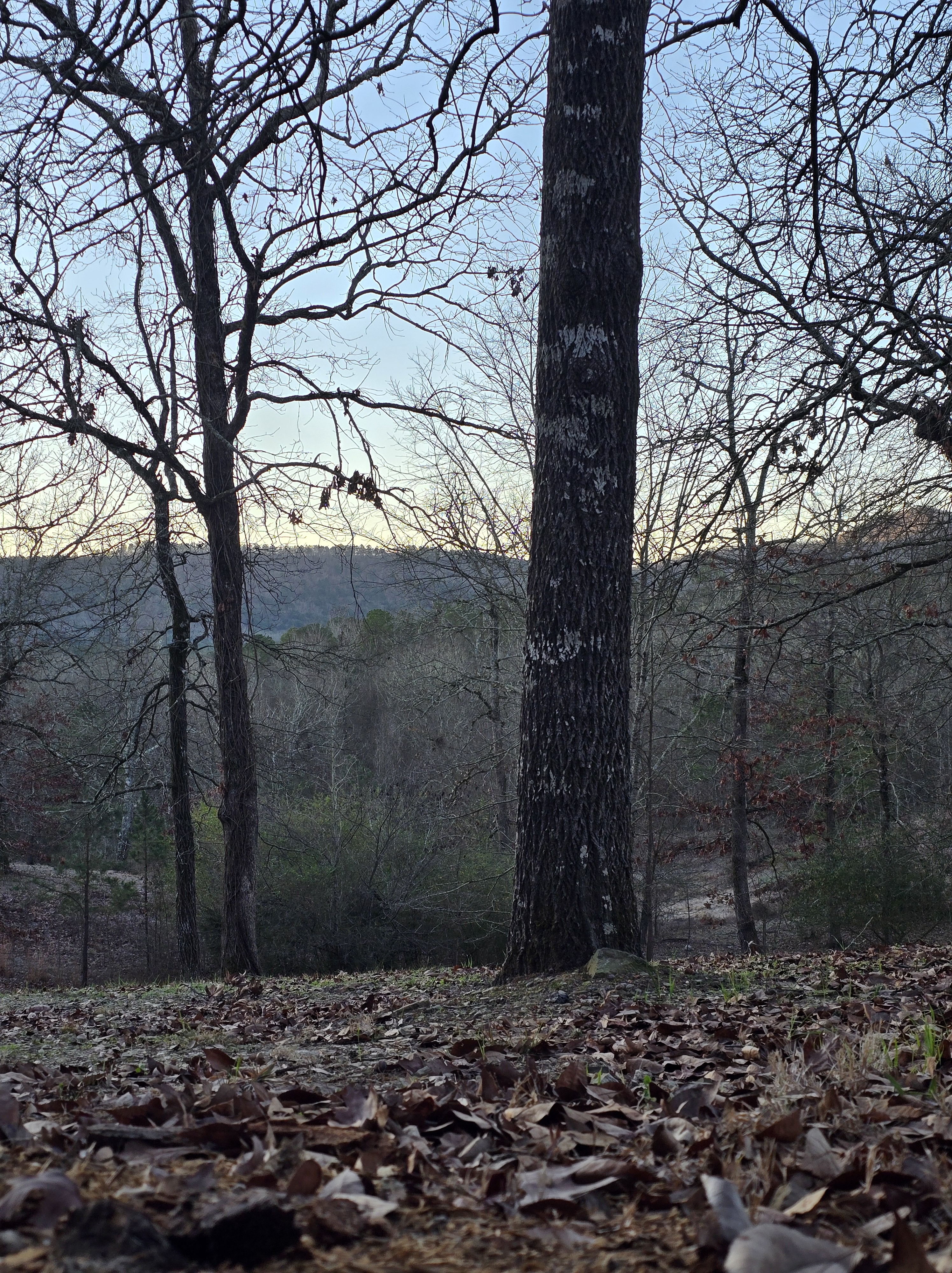
My view, however, is textbook. The steep, not-so-gentle slope of the hill coming off our back patio dips ever downward into an overgrown brushy area of trees and leaves where deer often like to bed down. In the distance, I hear a man yell a sound that I cannot make out. Beeping and engines continue.
In front of me, dry leaves lay fallen. Winter’s blanket for the ground, our rocky soil welcomes the nourishment, chirps and cheeps, then the dee-dee-dee of a Chickadee. Walking out, I spooked the doves, hoping they would come back when they realized I was no threat. I love when winter delays its cold slap across the cheek. Mornings like this make the season bearable.
Deet-deet-deet, another machine’s noise, but that one beep above all will not stop. I try to tune it out, trying to focus on the chickadee and the titmouse and the occasional crow with the hawk. That relentless beep with its piercing signal, I see red. I can imagine there is a red light attached to the top of whatever is making that beeping noise. The cathedral chime plays in the key of C, humming, switching octaves as the gentle breeze passes by.
Woodpecker calls to the chickadee, wondering why I’m here. I guess I came to listen to the business over the mountain, because beyond that, it’s hard to listen to anything else. The thing about the industry over the hill is that it isn’t even in my backyard. It doesn’t pertain to me. But the call of the birds, they are here, they are in my yard, in my trees. They pertain to me.
Isn’t that just like us? We want to focus on what’s happening around and beyond us, things that have nothing to do with us, because sometimes they’re louder and more evident than what actually matters. Sometimes, those things cause us more distress and keep us from enjoying the little things right in front of us. The birds and squirrels ignore the background noise; maybe we could learn from them.
A squirrel is hopping at the bottom of the hill, unfazed. Caw-caw-caw, says the crow. I hear the hum of the hot tub turning back on, working to keep the water at an ideal temperature. The breeze switches directions, proudly reminding me that it is winter, after all. Dark clouds peek over the mountain, shoving the sun to the side.
The beep of that business is the kind of sound they use to torture people, relentless, shrill, designed to drive you insane. Someone’s dog in the distance barks. Leaves rustle as the squirrel jumps, skips, and hops. What an enjoyable sight.
I take a swig of my lukewarm coffee and ponder:
If I didn’t mind missing the aviary conversations, I might wear headphones next time.
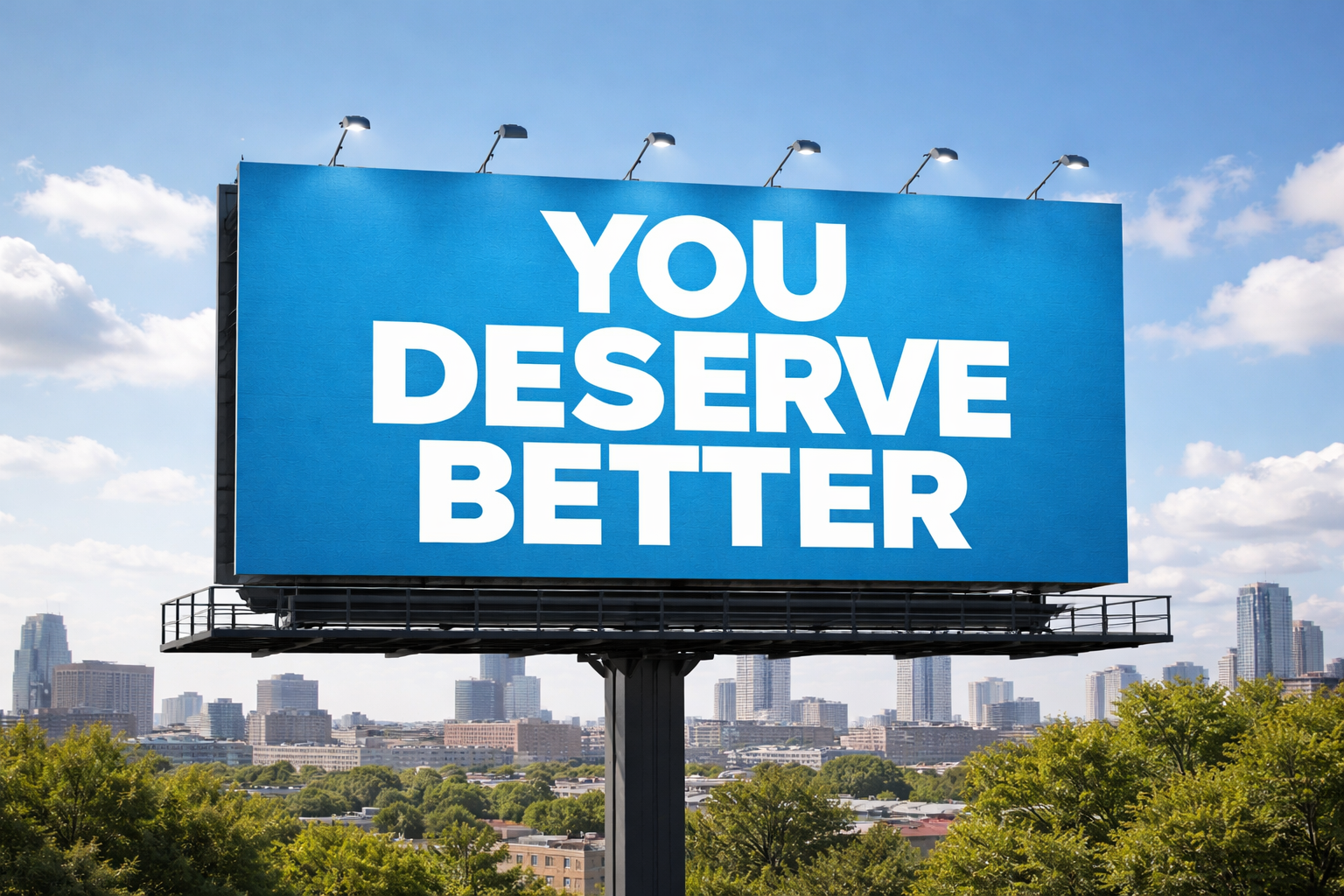
When I become a quadrillionaire, I will put up billboards all over the country with the 3 words: You Deserve Better.
YOU DESERVE BETTER.
This statement applies to anyone who reads it.
You, who just read that, can think of areas in your own life where you do indeed deserve better than what you are currently receiving.
Partners in abusive relationships, you deserve better.
“You dont get what you deserve, you get what you tolerate.” – Tony Robbins
Workers under a narcissistic boss, you deserve better.
Adults of emotionally immature parents, you deserve better.
Maybe it is simpler than that. Maybe you deserve a car that runs better, a better house, or better health, and we all could work on better thinking.
That was the statement I read when I realized I deserved better than what I was living in, and it changed my life.
“We cannot achieve more in life than what we believe in our heart of hearts we deserve to have.” ― James R. Ball
I am on the other side of abuse, trauma, suicide survivor, suicide loss, and religious abuse. All because I realized I deserved better.
“I will not try to convince you to love me, to respect me, to commit to me. I deserve better than that; I AM BETTER THAN THAT… Goodbye” by Steve Maraboli
Sometimes I get writer’s block. Distracted and stuck on Facebook, Instagram, and TikTok. Experts say you get a dopamine hit from being on social media, and that is why they also say it is addictive. But when I am on social media, I most often feel it pulling me down instead of lifting me.
That is, until someone leaves a comment:
“Good one.”
“This.”
“Thanks, I needed that.”
Evidence that my post stood out to someone. And then I feel it; there it is, the dopamine “feel good” feeling I was searching for.
Why do I write? Why do I do anything? What can I do to get a dopamine boost without the weight of “doom scrolling”
Drinking is unhealthy, Facebook is harmful. Most of it is fake, and the drama is relenting. Too many people use it to vent.
Then there are the needy. Those who can’t think for themselves are always asking what to do. For Christ’s sake, Google it or use ChatGPT! You’ll get a better, safer response. There will be no one there to say anything that could potentially hurt your feelings or judge you.
Perhaps that is why some people, like my husband and me, are drawn to AI. There’s no real risk beyond entrusting your life to a bot. AI is intelligent; it draws from all the wisdom across the internet. But does it then give you a blended meshed version instead of the actual best version? Or is it mixing the bad answers with the good answers and giving you the mediocre? The average? I wonder.
I wonder why doctors are against AI. Is it because it challenges their thinking? Like one of my doctors, who is against genetic testing. But yet he will sit there and tell me that my high cholesterol is genetic. How funny. Too often, they think that it’s a one-size-fits-all.
But not all doctors. I don’t believe my current doctor is a one-size-fits-all kind of practitioner. He’s good at reducing medication when possible, primarily when a healthy diet supports it.
Sometimes people’s eating habits necessitate medication, such as my high cholesterol. I was eating vegan, and it did not improve. So Paleo and keto, and it still did not change. The only thing I haven’t done is add more grains due to insulin resistance or glucose spikes.
Surely there is a way to add grains without the spike. I believe they are healthy, and our bodies need them to function correctly. Not necessarily rice, but oats, etc.
Then there is the question of whether it is the way we were designed to eat, but if you genuinely want to get back to our design. How far do we go, and where do we go? Do we go to Adam and Eve, or do we go to our hunter-gatherer ice age?
What is the truth? Just as people have evolved and adapted, I think that applies to our eating habits too, as the food chain has changed. So have we; we have adapted. We have evolved.
So, what is the right way to eat? Is it a one-size-fits-all? I don’t think so. I believe it varies from person to person and is based on their lifestyle. So perhaps a sedentary person needs less protein than the bodybuilder. And the runner needs more carbs than the office manager who dreams of yoga flexibility.
This is your classic morning brain dump. I hope you enjoyed a ride in my mind.
Peace, love, and still trying to figure out my write way.
I don’t know when Christmas turned from magic and lights to misery and blight. I only know that one day the lights didn’t sparkle as much anymore. Shopping feels like a waste of time and a drain on life savings. I don’t see why we spend four weeks preparing for something that lasts a day and two more weeks taking it apart.
For me, Christmas starts at Thanksgiving, when our family combines the holidays. The tree goes up a week or so beforehand and stays for the long haul, like an unwanted guest. Or a fly trapped in a car. Some years, I play Christmas music. Most years, I keep playing my usual, Ozzy and the like. This year has been an Ozzy year (RIP).
I don’t know exactly when I started to hate Christmas. Maybe it was when my former husband threw a fit because I wasn’t decorating the tree the way he thought I should, or in the colors he preferred. I remember standing in the living room, feeling crushed. It was Thanksgiving night or the evening after. I had cooked all day, and the meal was devoured in about fifteen minutes. Then came the cleanup, too much for three young children to help with, while he lay on the couch and napped.
After a few years of begging to do it myself, I learned it was easier to stand by and hand him the ornaments. There was rarely a time when I was alone. He took up most of that space unless I woke earlier than him, something I trained myself to do after a few years of marriage.
.I was excited to put up the tree so the kids could feel the same anticipation we had as we grew up. We finished hanging the cursed lights you pray will still work from the year before. The last thing was the topper. No matter how hard you try, tree toppers never want to stay straight. It didn’t help that he was obsessive about details. Somehow, it became my fault that the angel leaned and refused to stay lit.
Then there was the money. I had no idea how we were going to buy presents with what little we had. He was in Bible college and believed he should not work. If God wanted him there, God would provide.
It was then that I started questioning the sacrifices we were making. We gave money we didn’t have to a church and to missionaries who earned more than we did. We decided things like toilet paper and electricity were luxuries, not needs.
How do you reconnect to Christmas after that?
When I was a child, my parents had a tradition that I could open one present on Christmas Eve. Sometimes I choose it. Sometimes they did. Now that my youngest is still at home, I understand why they sometimes chose it, because there was that one gift they dreaded wrapping.
The oversized gift hidden in my closet this year will be opened the same way, because it is simply too big to wrap.
I remember the year I received a Nintendo with a Smurf game. I stayed up all night playing. When my parents woke up, I was still sitting on the floor in front of our wood-encased television, controller in hand.
My mother asked if I had slept at all and warned that I would be too tired to open presents later. I told her I would be fine. I was twelve. Of course I was.
Every Christmas Eve, we went to my grandmother’s house for dinner and gifts. No one ever knew what to buy for my uncle, a grown man still living at home who owned every comic book printed. He usually received socks or an ugly sweater. I hated getting gifts from him because they were never helpful.
Then, one year, he bought me the entire Wizard of Oz book set. He was a reader. Once he learned I loved books, buying gifts for me became easy. That year, he earned my respect.
My grandmother made many of my gifts by hand. Stuffed animals. Dolls. Raggedy Ann and Andy. A panda bear. Characters from The Wizard of Oz, except the witch. Around that time, rumors circulated about possessed dolls. I wasn’t afraid of Raggedy Ann or Andy, but the Oz dolls terrified me. I stored them in my mother’s closet.
I was fifty-six years old when I learned the infamous Annabelle doll was a Raggedy Ann, identical to the one my grandmother had sewn for me.
Every year, she stitched us matching Christmas dresses or skirts. Mine always brushed the floor. By the time I was thirteen or fourteen, I decided that kind of outfit no longer served my image.
One year, she made me a stocking more than five feet tall. My mother filled it. Stockings were always my favorite part of Christmas. Candy and small surprises, one after another.
We used to cover the tree in silver tinsel so it looked like snow. It didn’t look like snow, but it looked like Christmas. The cats loved it too and walked around for days with tinsel trailing behind them. No one wanted to deal with that, so we didn’t.
As a child, I loved Christmas. The lights. The colors. The music. My earliest memory is of a tree in the front room and presents underneath it. Our dog unwrapped a gift I had made for my parents, and I was furious.
That same year, I wanted a necklace so severely that I couldn’t stand not knowing. I unwrapped a present early, saw it was the necklace, and wrapped it back up. When they asked, I blamed the dog. But they didn’t believe me.
Christmas stopped being simple over time; loss layered itself onto the season. One of my children is gone. A serious family rupture surfaced during the holidays. My former husband despised Christmas and made it miserable. Putting up the tree was always a fight. There was never enough money.
One year we threw the tree away, calling it an idol. I had the scripture to support it. He declared the sin we were committing and the consequences. I enforced them. Out went the tree. Out went the decorations.
Minimalism became our way of life before it had a name.
This is why my adult self does not love Christmas.
My inner teenager can take it or leave it. She once begged relatives to give her gift certificates so she could choose her own clothes. Instead, they bought things she wore once and never again. She loved shopping with her mother because she got to choose, except for the extra-tight parachute pants.
I don’t know exactly where I stopped enjoying Christmas, maybe when I got married, maybe when it became my responsibility to make it happen with people who made it difficult.
My current husband shares a similar background and the same ambivalence about the holiday. We try. We are doing fine. But Christmas is no longer all about lights. Not like when our mothers made it special.
Recently, I did something I hadn’t done in several years. I play instrumental Christmas music and turned it up. Then I baked.
Banana bread. Apple bread. Pumpkin. Gingerbread. Peanut butter cookies. Most of it adjusted to be Paleo.
All day I measured, mixed, and baked. Timers went off. Batter waited for its turn. I tasted everything.
My favorite was the banana bread sweetened only with bananas. Not overly sweet. Just enough.
The final loaf was made from leftovers. Extra pumpkin. Extra applesauce. I still don’t understand why recipes don’t simply use the whole can.
Halfway through, I remembered dinner. I pulled out the Instant Pot, added frozen meat and seasoning, and thirty minutes later, we ate.
The kitchen felt chaotic and magical at the same time, warm, messy, and smelling like Christmas.
I don’t enjoy Christmas as much as I’d like, but I am learning to find ways to make it more enjoyable.
Let me take you on a journey through my own cycle of pain, one that might mirror your own.
For over 24 years, I stayed stuck in a cycle of pain. Not only because I didn’t know how to escape, but also because I had no idea that part of me had become used to it. That pain was my comfort zone; I needed it. That is not easy to admit, but maybe that is precisely what you need to hear.
I was addicted to pain and suffering. And maybe you are too.
Consider if your life feels like a constant storm, with relationships that break rather than build you, where chaos feels more familiar than peace.
Then I want you to consider that you might be emotionally addicted to your struggle. In the same way, someone is addicted to alcohol, cigarettes, or drugs.
You don’t choose to be this way on purpose, but you can choose to stop feeding it.
How Does Someone Get Addicted to Suffering?
It might seem strange, but when survival mode becomes your norm, your body adapts to a constant state of fear, anger, and panic, as if these emotions are essential for survival. The body doesn’t know good adrenaline from bad. It just feels familiar. So if pain becomes what you’re used to, your brain will start chasing it like a drug.
I’ll be honest with you: After I left my abusive husband, I thought I’d be free. But instead, I felt lost, restless, and empty. And one day I caught myself missing the drama, missing the feeling of being needed, even if it came with cruelty.
That’s when I realized I wasn’t just healing from abuse. I was detoxing from it.
Understanding the Chemistry of Emotion
Here’s what’s really going on under the surface. Every emotion you feel, love, sadness, rage, guilt, and fear, comes with a chemical mix your body gets used to. When you feel anger or shame over and over, your body floods itself with stress hormones like cortisol and adrenaline.
And your nervous system thinks,
“Ah, yes. This is normal. Let’s keep doing that.”
It doesn’t care if it’s killing you emotionally. It only cares that it’s predictable. That’s why breaking the cycle is more than leaving them. It’s also about rewiring your system and healing your brain. You have to teach your body that peace isn’t dull, it’s safe.
Why You Keep Ending Up With the Same Kind of Person
If you’ve ever escaped one toxic relationship only to fall into another… and another…
You’re not weak or broken. You’re still addicted to the feelings that chaos brings.
And your brain will unconsciously lead you straight to people who can give you the fix.
It’s not because you want to be hurt, but it’s because deep down, you don’t yet believe you deserve anything else.
The Good News: You Can Break Free
I won’t lie to you. Healing is hard, but so is staying stuck. The difference is that one of them leads somewhere beautiful.
Here’s how I started the process, and you can too:
1. Tell yourself the truth.
Not the story you’ve been told or the lie that “this is just who you are.”
Say the truth, you are addicted to survival mode, and you were made for so much more.
2. Decide that it ends with you.
Not tomorrow, not when it gets easier. Right now.
You don’t need to hit another rock bottom to be done.
3. Catch yourself.
When the negative self-talk kicks in or when you feel that familiar urge to sabotage yourself, tell yourself, “I deserve better.
Then, breathe, even if you don’t believe it yet.
4. Let peace feel weird for a while.
Because it will, trust me. Quiet will feel loud, and safety will feel foreign.
That’s okay. Stay there anyway. Let yourself get used to calm.
5. Give it time. Give yourself grace.
This isn’t about perfection; it’s about persistence.
You’re teaching your nervous system a new language. That love doesn’t hurt, and peace doesn’t mean danger.
One More Thing,
You’re not broken. You’re not stupid for staying too long. You were surviving.
And now? You’re waking up.
Your addiction to struggle isn’t your fault, but healing is your responsibility.
You deserve a life that doesn’t hurt. And it’s waiting for you, whenever you’re ready.
My life is better today than what I pictured a year ago.
However, the year came with several speed-bumbs, road blocks, delays and detours. But isn’t that what makes our lives better? The learning how to navigate through life when faced with challenges?
I’m just thankful you didn’t ask if I enjoyed this year better than the last. I might’ve had a different answer.
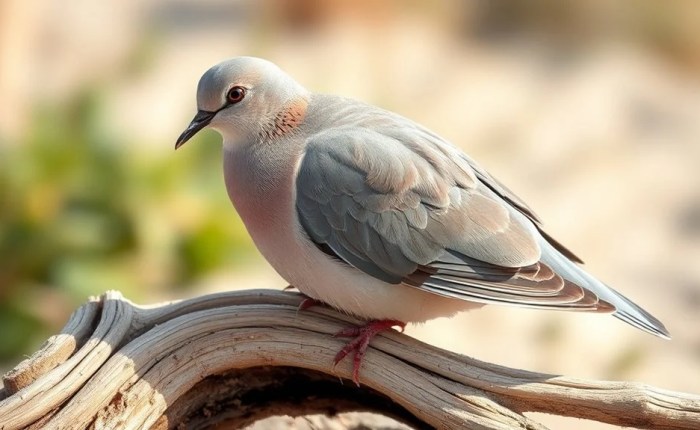
I remember the first time I noticed a mourning dove was at our backyard feeders. Its coo stood apart from the others. A sound that seemed to linger instead of passing through. I remember thinking how different it was, like a new voice I had not heard before.
I had read that mourning doves sometimes appear after a loved one has died, offering comfort. I wondered briefly whether that was true and whether it was meant for me or someone else. Then I did what I had learned to do over the years, I dismissed the thought. Too many beliefs I once held had not unfolded the way I thought they would, so it felt safer not to attach any meaning to this.
Later that afternoon, my husband called to tell me they found his brother. He had died in his car during the night. It was the end of his quiet battle with addiction.
That mourning dove stayed, reminding us of how fragile life is. And that people are delicate too. Potential and talent do not protect or shield us. My brother-in-law was profoundly gifted, a creator, a man with vision and skill in the horticulture world. But addiction did not care about any of that; it never does.
Now, three years later, a small flock visits our feeders regularly. Like grief, showing up a little here and there and sometimes all at once.
The mourning doves have become a regular presence in our lives, just like grief.
My husband lost his mom when he was 14. We lost my son in 2020, and now his brother. Sadness has a way of settling in quietly, rearranging our lives without permission. But the coo of the Mourning Dove reminds us to pause and notice that calm can exist alongside pain.
The word Mourning carries a lot of weight, yet the Dove itself is gentle. It does not exaggerate loss; it endures it. Instead of feeling like a symbol of sadness, it becomes a symbol of peace and survival. Encouraging us to persist after something irreversible happens, reminding us that love does not disappear when someone is gone.
Now, when I hear their coo at the feeders, I do not dismiss it. I stop, listen, and remember. I take that moment to whisper a prayer for my mother-in-law and husband because I understand that grief can show up at unexpected times, and that peace can make remembering them easier.
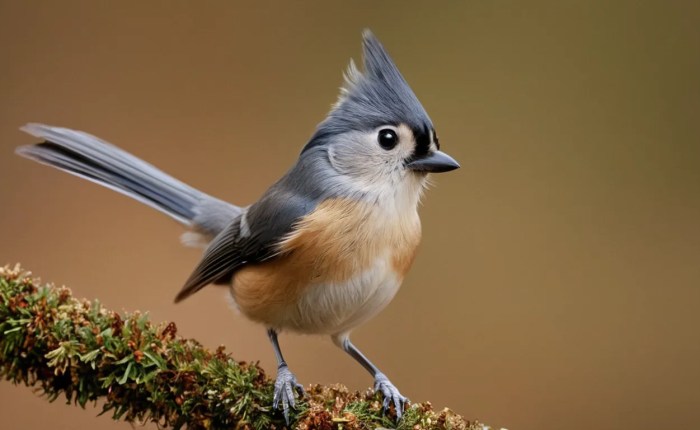
This morning, I was noticing the Tufted Titmouse at my feeders. It is a small, alert bird with a soft voice and a steady presence. A symbol of healing, but not in the way people often think. It is not promising closure or answers. It tells us to keep going even when life has permanently changed.
After losing a child, life stops making sense, and grief collapses time. The future feels unreachable, and the past feels too heavy to carry. Most days are not about hope or meaning; they are about surviving the stage you are in. The Tufted Titmouse reminds us to stay present, do what the moment requires, nothing more. It isn’t suggesting that we “move on.” It invites us to survive this moment, then the next.
The bird’s small, persistent movements mirror how we, as bereaved parents, can continue living through each season. Maybe you are just surviving, fragment by fragment. But getting up and feeding yourself is showing up. Saying their name and breathing through waves that come without warning does not weaken us; it is an endurance that strengthens us.
The titmouse is also known for its song, reminding us how important it is to speak our child’s name, tell their story, and to allow our grief to have a voice. Silence can isolate us. Sharing does not mean we are stuck; it means our love did not end. It does not mean “everything happened for a reason.” But it does imply that life still has purpose, even while we carry this permanent loss.
Some days, noticing something simple in nature may feel like the only thing that can ground us. It’s a Tufted Titmouse at the feeder, a windchimes melody, a foggy morning of calm. These moments do not minimize our loss; they remind us that we are still here, even when our hearts are broken. The Titmouse teaches us to live with grief rather than resolve it. Strength is not the absence of sorrow; it is learning how to carry it.




 Yoli's Write To Sanity