Happiness Over Grief

Reflections From The Nuthatch

Grief and trauma don’t vanish just because we decide it’s time to be happy. Healing isn’t about pretending the pain is gone or forcing ourselves to move on. It’s slower than that, quieter. It asks to make room for what hurts, instead of pushing it away.

But even when loss has taken more than we ever thought we could survive, we still have something left. We still have a choice. Not always in the big ways, but in the gentle, daily ones. We can choose how we care for ourselves in this moment. We can choose rest and compassion instead of self-blame and sorrow.

Breathe. Pause. Allow yourself to be grounded instead of letting the overwhelm take over.

Happiness after grief doesn’t mean forgetting who or what you lost. It doesn’t mean the pain has vanished or that what you lost no longer matters. It means hope is making space beside the sorrow. Not replacing it, just sitting next to it.

Choosing joy is not a betrayal of your pain. It’s an act of survival.
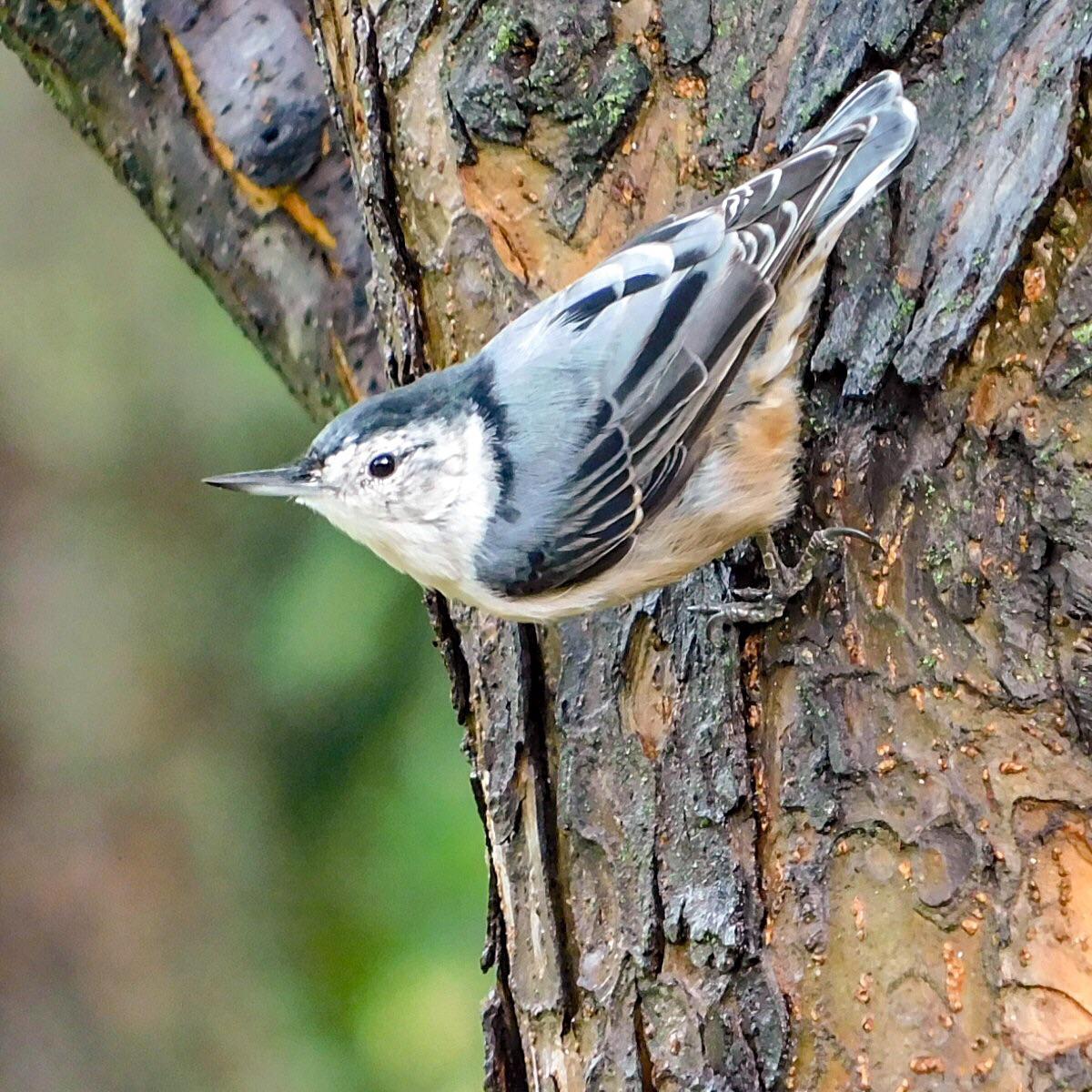
The nuthatch teaches this well. A bird that doesn’t soar or flee, but stays close to the trunk. It climbs downward, upside down, navigating the world in ways that feel strange but steady. When everything is tilted, when nothing feels safe, it continues anyway. The nuthatch holds tight. Its strength isn’t in beauty or speed, but in holding on.

It doesn’t rush. It circles back, rechecks, and returns.

And that is how grief moves. It isn’t in a straight path, with clarity or closure. It returns, pauses, then returns again.

The Nuthatch teaches us to stop reaching for an escape. Stay connected to the present moment, even when life feels upside down, and return to the things that support us.

Where the hummingbird says, “I am still here despite the cost.”

Where the mourning dove says, “Peace can exist with sorrow.”

The nuthatch says, “I will stay with what steadies me, even when the world feels upside down.”
A Reflection on Grief

A Reflection on Grief

The Mourning Dove

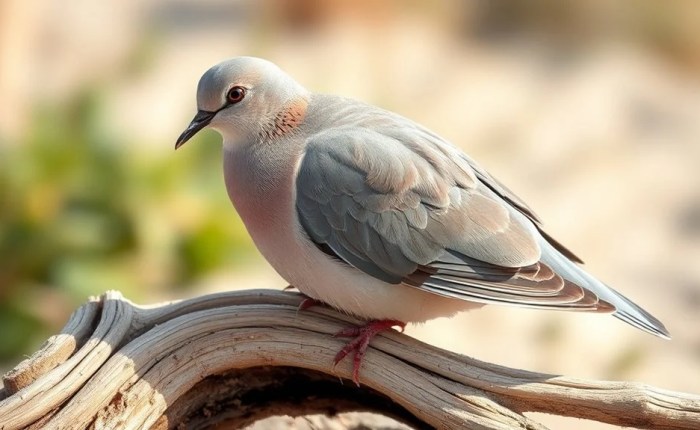
I remember the first time I noticed a mourning dove was at our backyard feeders. Its coo stood apart from the others. A sound that seemed to linger instead of passing through. I remember thinking how different it was, like a new voice I had not heard before.

I had read that mourning doves sometimes appear after a loved one has died, offering comfort. I wondered briefly whether that was true and whether it was meant for me or someone else. Then I did what I had learned to do over the years, I dismissed the thought. Too many beliefs I once held had not unfolded the way I thought they would, so it felt safer not to attach any meaning to this.

Later that afternoon, my husband called to tell me they found his brother. He had died in his car during the night. It was the end of his quiet battle with addiction.

That mourning dove stayed, reminding us of how fragile life is. And that people are delicate too. Potential and talent do not protect or shield us. My brother-in-law was profoundly gifted, a creator, a man with vision and skill in the horticulture world. But addiction did not care about any of that; it never does.

Now, three years later, a small flock visits our feeders regularly. Like grief, showing up a little here and there and sometimes all at once.

The mourning doves have become a regular presence in our lives, just like grief.

My husband lost his mom when he was 14. We lost my son in 2020, and now his brother. Sadness has a way of settling in quietly, rearranging our lives without permission. But the coo of the Mourning Dove reminds us to pause and notice that calm can exist alongside pain.

The word Mourning carries a lot of weight, yet the Dove itself is gentle. It does not exaggerate loss; it endures it. Instead of feeling like a symbol of sadness, it becomes a symbol of peace and survival. Encouraging us to persist after something irreversible happens, reminding us that love does not disappear when someone is gone.

Now, when I hear their coo at the feeders, I do not dismiss it. I stop, listen, and remember. I take that moment to whisper a prayer for my mother-in-law and husband because I understand that grief can show up at unexpected times, and that peace can make remembering them easier.

Tortured memories

Addicted to forget them

Yet scarred thoughts remain

Enslaved for the fix

Blacked out,

resting thoughts at peace

A soul gone too soon

Addiction and suicides

Fatal kiss

Life After Suicide Loss Is Lived in the Present Moment

Life After Suicide Loss Is Lived in the Present Moment

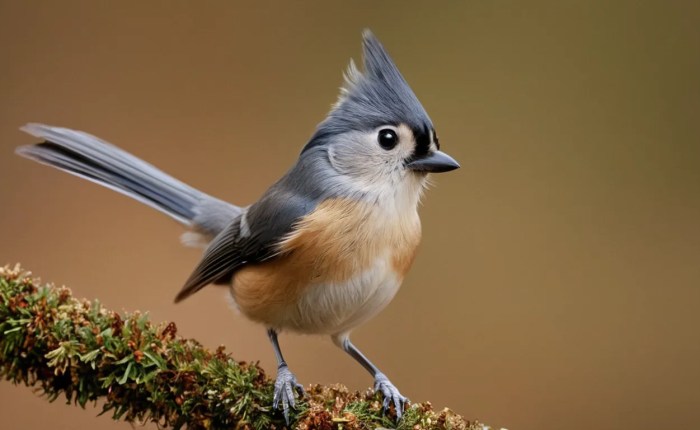
Lessons From the Tufted Titmouse

This morning, I was noticing the Tufted Titmouse at my feeders. It is a small, alert bird with a soft voice and a steady presence. A symbol of healing, but not in the way people often think. It is not promising closure or answers. It tells us to keep going even when life has permanently changed.

After losing a child, life stops making sense, and grief collapses time. The future feels unreachable, and the past feels too heavy to carry. Most days are not about hope or meaning; they are about surviving the stage you are in. The Tufted Titmouse reminds us to stay present, do what the moment requires, nothing more. It isn’t suggesting that we “move on.” It invites us to survive this moment, then the next.

The bird’s small, persistent movements mirror how we, as bereaved parents, can continue living through each season. Maybe you are just surviving, fragment by fragment. But getting up and feeding yourself is showing up. Saying their name and breathing through waves that come without warning does not weaken us; it is an endurance that strengthens us.

The titmouse is also known for its song, reminding us how important it is to speak our child’s name, tell their story, and to allow our grief to have a voice. Silence can isolate us. Sharing does not mean we are stuck; it means our love did not end. It does not mean “everything happened for a reason.”  But it does imply that life still has purpose, even while we carry this permanent loss.

Some days, noticing something simple in nature may feel like the only thing that can ground us. It’s a Tufted Titmouse at the feeder, a windchimes melody, a foggy morning of calm. These moments do not minimize our loss; they remind us that we are still here, even when our hearts are broken. The Titmouse teaches us to live with grief rather than resolve it. Strength is not the absence of sorrow; it is learning how to carry it.

I’m better now, since you left….

I’m better now, since you left….

I used to cry for you everyday

but now I only cry in January

Knowing I start a New Year without you.

I used to cry for you everyday

But now I only cry in February when I

remember the love I have for you and how sweet you were

I used to cry for you everyday

But now I only cry in March

when the earth renews, and the grass starts

to grow of how you loved to take care of the yards

I used to cry for you everyday

Now I only cry in June

Especially on Father’s day, you would wish me happy father’s day.

I used to cry for you everyday

But now I only cry in July

You were born on the 4th; I will never view fireworks and BBQs the same.

I used to cry for you everyday

Now I only cry in August

But only on 31 of those days

And only 24 hours of the 28th day

the day you left us

I used to cry for you everyday

Now I only cry in September

We sifted your remains in your favorite place

I used to cry for you everyday

Now I only cry in October

You were supposed to be here for you first nieces’ day of birth, you even bought her gifts

I used to cry for you everyday

But now I only cry in November

There is an empty seat at our Thanksgiving table

I used to cry for you everyday

Now I only cry for you in December

One less player for dirty Santa

I used to cry for you everyday

Now I only cry on Fridays

it was a Friday that day you left us

I don’t cry for you everyday

Only on the days I when I’m thinking about you

And I think about you everyday