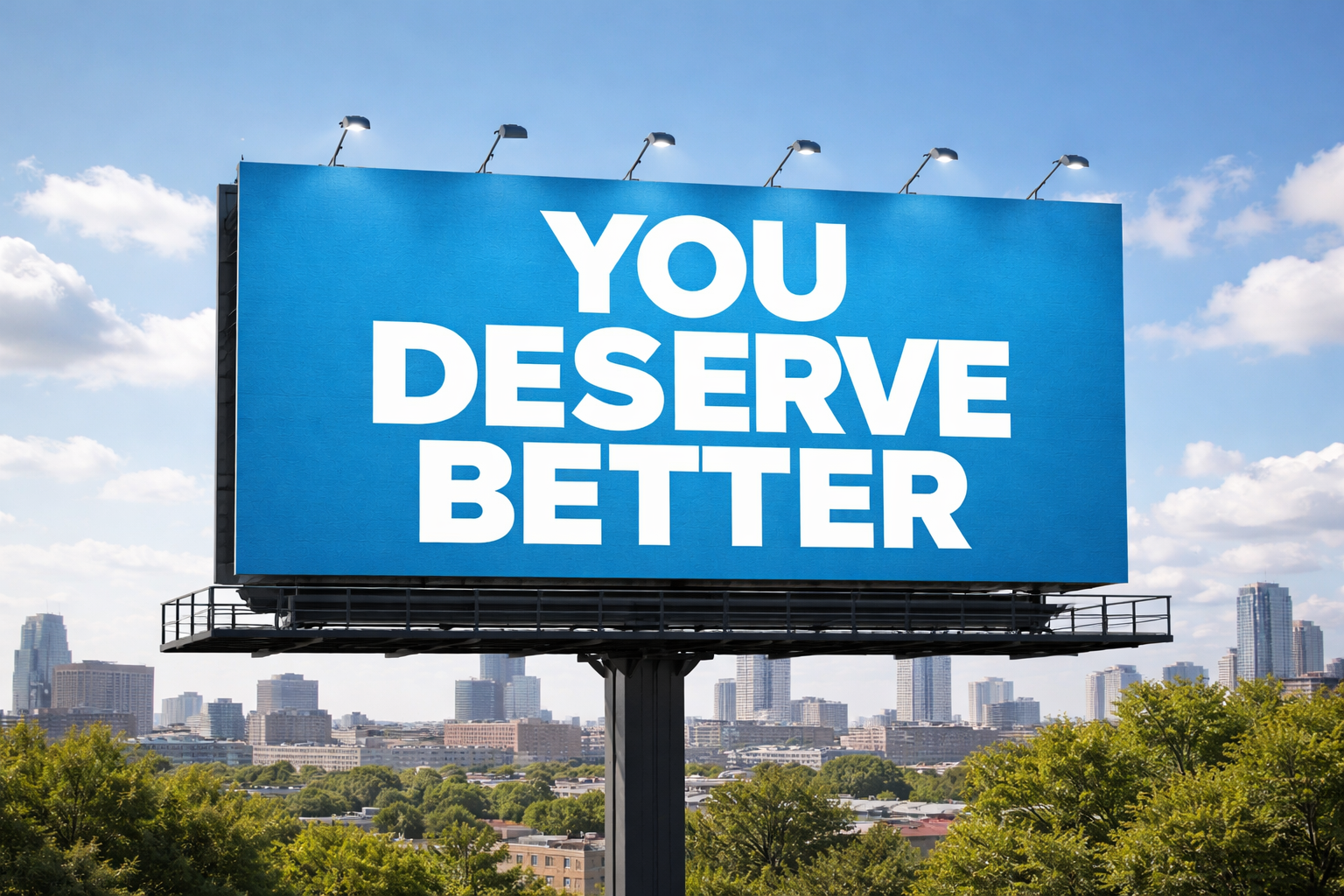
YOU DESERVE BETTER

Daily writing prompt
If you had a freeway billboard, what would it say?

When I become a quadrillionaire, I will put up billboards all over the country with the 3 words: You Deserve Better.

YOU DESERVE BETTER.

This statement applies to anyone who reads it.

You, who just read that, can think of areas in your own life where you do indeed deserve better than what you are currently receiving.

Partners in abusive relationships, you deserve better.

“You dont get what you deserve, you get what you tolerate.” – Tony Robbins

Workers under a narcissistic boss, you deserve better.

Adults of emotionally immature parents, you deserve better.

Maybe it is simpler than that. Maybe you deserve a car that runs better, a better house, or better health, and we all could work on better thinking.

That was the statement I read when I realized I deserved better than what I was living in, and it changed my life.

“We cannot achieve more in life than what we believe in our heart of hearts we deserve to have.”
― James R. Ball

I am on the other side of abuse, trauma, suicide survivor, suicide loss, and religious abuse. All because I realized I deserved better.

“I will not try to convince you to love me, to respect me, to commit to me. I deserve better than that; I AM BETTER THAN THAT… Goodbye” by Steve Maraboli

Are You Addicted to Suffering and Struggle?

Are You Addicted to Suffering and Struggle?

A Letter from One Survivor to Another

Let me take you on a journey through my own cycle of pain, one that might mirror your own.

For over 24 years, I stayed stuck in a cycle of pain. Not only because I didn’t know how to escape, but also because I had no idea that part of me had become used to it. That pain was my comfort zone; I needed it. That is not easy to admit, but maybe that is precisely what you need to hear.

I was addicted to pain and suffering. And maybe you are too.

Consider if your life feels like a constant storm, with relationships that break rather than build you, where chaos feels more familiar than peace.

Then I want you to consider that you might be emotionally addicted to your struggle. In the same way, someone is addicted to alcohol, cigarettes, or drugs.

You don’t choose to be this way on purpose, but you can choose to stop feeding it.

How Does Someone Get Addicted to Suffering?

It might seem strange, but when survival mode becomes your norm, your body adapts to a constant state of fear, anger, and panic, as if these emotions are essential for survival. The body doesn’t know good adrenaline from bad. It just feels familiar. So if pain becomes what you’re used to, your brain will start chasing it like a drug.

I’ll be honest with you: After I left my abusive husband, I thought I’d be free. But instead, I felt lost, restless, and empty. And one day I caught myself missing the drama, missing the feeling of being needed, even if it came with cruelty.

That’s when I realized I wasn’t just healing from abuse. I was detoxing from it.

Understanding the Chemistry of Emotion

Here’s what’s really going on under the surface. Every emotion you feel, love, sadness, rage, guilt, and fear, comes with a chemical mix your body gets used to. When you feel anger or shame over and over, your body floods itself with stress hormones like cortisol and adrenaline.

And your nervous system thinks,

 “Ah, yes. This is normal. Let’s keep doing that.”

It doesn’t care if it’s killing you emotionally.  It only cares that it’s predictable. That’s why breaking the cycle is more than leaving them. It’s also about rewiring your system and healing your brain. You have to teach your body that peace isn’t dull, it’s safe.

Why You Keep Ending Up With the Same Kind of Person

If you’ve ever escaped one toxic relationship only to fall into another… and another…

You’re not weak or broken.  You’re still addicted to the feelings that chaos brings.

And your brain will unconsciously lead you straight to people who can give you the fix.

It’s not because you want to be hurt, but it’s because deep down, you don’t yet believe you deserve anything else.

The Good News: You Can Break Free

I won’t lie to you. Healing is hard, but so is staying stuck. The difference is that one of them leads somewhere beautiful.

Here’s how I started the process, and you can too:

1. Tell yourself the truth.

Not the story you’ve been told or the lie that “this is just who you are.”

Say the truth, you are addicted to survival mode, and you were made for so much more.

2. Decide that it ends with you.

Not tomorrow, not when it gets easier. Right now.

You don’t need to hit another rock bottom to be done.

3. Catch yourself.

When the negative self-talk kicks in or when you feel that familiar urge to sabotage yourself, tell yourself, “I deserve better.

Then, breathe, even if you don’t believe it yet.

4. Let peace feel weird for a while.

Because it will, trust me. Quiet will feel loud, and safety will feel foreign.

That’s okay. Stay there anyway. Let yourself get used to calm.

5. Give it time. Give yourself grace.

This isn’t about perfection; it’s about persistence.

You’re teaching your nervous system a new language. That love doesn’t hurt, and peace doesn’t mean danger.

One More Thing,

You’re not broken. You’re not stupid for staying too long.  You were surviving.

And now? You’re waking up.

Your addiction to struggle isn’t your fault, but healing is your responsibility.

You deserve a life that doesn’t hurt. And it’s waiting for you, whenever you’re ready.

Tennis

Tennis

My stepson invited us to play tennis with him and his family. He knew to come to me whenever Dad couldn’t commit to answering.

“Sure, I’ll let you beat me in tennis.”

I know when anyone invites me to do anything that requires physical activity, they usually need an ego boost. I am not athletic, and I have never played tennis in my entire life. Summer was over, and fall was allowing us some cooler days, so the weather was perfect for being outside

We showed up empty-handed, not knowing what to expect, and were greeted with a racket for each of us and brief instructions. I figured it couldnt be too hard, I’ve seen tennis on TV.

Our instructor-stepson gave us some pointers, and with each of his serves, he gently hit the balls our way, alternating with precision. To my surprise, I was able to hit the ball back over the net most of the time. And also to my surprise, I was having fun. I laughed at my husband when he missed a ball, and I laughed at myself when I missed an easy serve.

It was medicine for our souls to let down our guard, be human, and be vulnerable.

Maybe that comes easily to you, but for our personality types, as business owners, we are always on constant alert. And saying yes to something entirely out of our comfort zone was just what we needed, and we liked it.

Better

Is your life today what you pictured a year ago?

My life is better today than what I pictured a year ago.

However, the year came with several speed-bumbs, road blocks, delays and detours. But isn’t that what makes our lives better? The learning how to navigate through life when faced with challenges?

I’m just thankful you didn’t ask if I enjoyed this year better than the last. I might’ve had a different answer.

Sleeplessness is…

Insomnia’s sister
Transients  cousin
Fluidities Aunt
Instabilities mom
Anxieties grandmother

….me

A Reflection on Grief

A Reflection on Grief

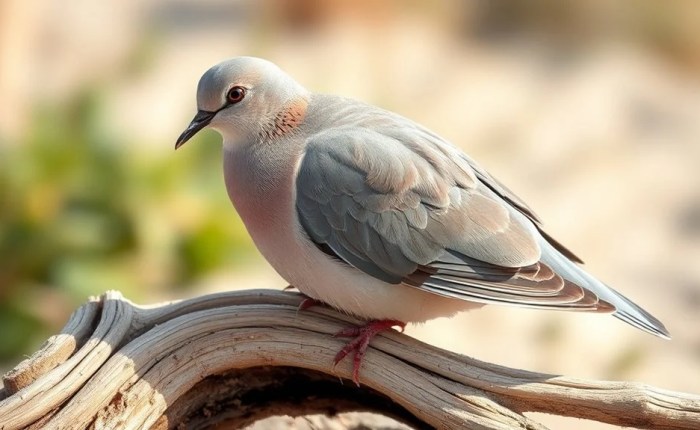
The Mourning Dove

I remember the first time I noticed a mourning dove was at our backyard feeders. Its coo stood apart from the others. A sound that seemed to linger instead of passing through. I remember thinking how different it was, like a new voice I had not heard before.

I had read that mourning doves sometimes appear after a loved one has died, offering comfort. I wondered briefly whether that was true and whether it was meant for me or someone else. Then I did what I had learned to do over the years, I dismissed the thought. Too many beliefs I once held had not unfolded the way I thought they would, so it felt safer not to attach any meaning to this.

Later that afternoon, my husband called to tell me they found his brother. He had died in his car during the night. It was the end of his quiet battle with addiction.

That mourning dove stayed, reminding us of how fragile life is. And that people are delicate too. Potential and talent do not protect or shield us. My brother-in-law was profoundly gifted, a creator, a man with vision and skill in the horticulture world. But addiction did not care about any of that; it never does.

Now, three years later, a small flock visits our feeders regularly. Like grief, showing up a little here and there and sometimes all at once.

The mourning doves have become a regular presence in our lives, just like grief.

My husband lost his mom when he was 14. We lost my son in 2020, and now his brother. Sadness has a way of settling in quietly, rearranging our lives without permission. But the coo of the Mourning Dove reminds us to pause and notice that calm can exist alongside pain.

The word Mourning carries a lot of weight, yet the Dove itself is gentle. It does not exaggerate loss; it endures it. Instead of feeling like a symbol of sadness, it becomes a symbol of peace and survival. Encouraging us to persist after something irreversible happens, reminding us that love does not disappear when someone is gone.

Now, when I hear their coo at the feeders, I do not dismiss it. I stop, listen, and remember. I take that moment to whisper a prayer for my mother-in-law and husband because I understand that grief can show up at unexpected times, and that peace can make remembering them easier.

Tortured memories

Addicted to forget them

Yet scarred thoughts remain

Enslaved for the fix

Blacked out,

resting thoughts at peace

A soul gone too soon

Addiction and suicides

Fatal kiss

Life After Suicide Loss Is Lived in the Present Moment

Life After Suicide Loss Is Lived in the Present Moment

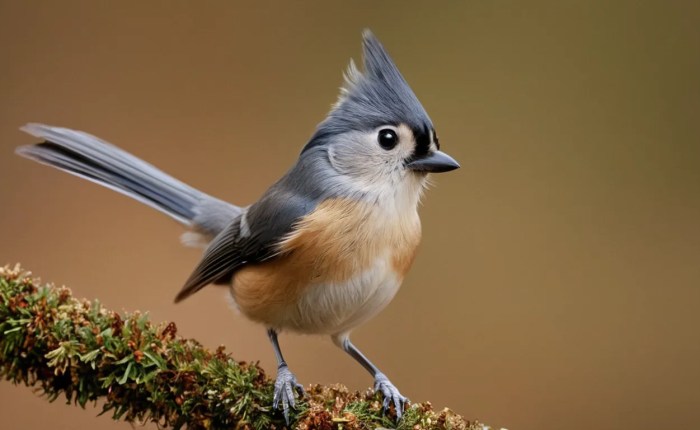
Lessons From the Tufted Titmouse

This morning, I was noticing the Tufted Titmouse at my feeders. It is a small, alert bird with a soft voice and a steady presence. A symbol of healing, but not in the way people often think. It is not promising closure or answers. It tells us to keep going even when life has permanently changed.

After losing a child, life stops making sense, and grief collapses time. The future feels unreachable, and the past feels too heavy to carry. Most days are not about hope or meaning; they are about surviving the stage you are in. The Tufted Titmouse reminds us to stay present, do what the moment requires, nothing more. It isn’t suggesting that we “move on.” It invites us to survive this moment, then the next.

The bird’s small, persistent movements mirror how we, as bereaved parents, can continue living through each season. Maybe you are just surviving, fragment by fragment. But getting up and feeding yourself is showing up. Saying their name and breathing through waves that come without warning does not weaken us; it is an endurance that strengthens us.

The titmouse is also known for its song, reminding us how important it is to speak our child’s name, tell their story, and to allow our grief to have a voice. Silence can isolate us. Sharing does not mean we are stuck; it means our love did not end. It does not mean “everything happened for a reason.”  But it does imply that life still has purpose, even while we carry this permanent loss.

Some days, noticing something simple in nature may feel like the only thing that can ground us. It’s a Tufted Titmouse at the feeder, a windchimes melody, a foggy morning of calm. These moments do not minimize our loss; they remind us that we are still here, even when our hearts are broken. The Titmouse teaches us to live with grief rather than resolve it. Strength is not the absence of sorrow; it is learning how to carry it.

Parenting Both Sides of Sibling Sexual Abuse

Parenting Both Sides of Sibling Sexual Abuse

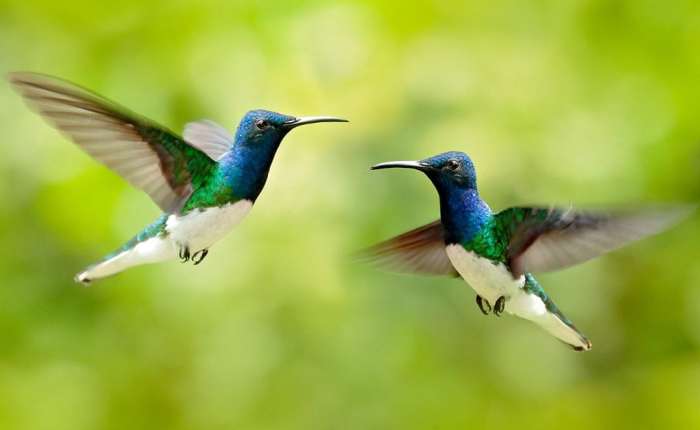
A Message From The Hummingbird

I am the mom on both sides of a complicated story. Loving one child who was sexually abused and loving the one who caused the harm.

There is no road map for navigating something like this. No clean language. No version of the path forward that does not cost something deep and painful. Some days it feels like my entire role is simply to remain standing when I feel like falling and to stay present when everything in me wants to hide. Functioning while absorbing this kind of shock is a challenge in itself.

And yet, here I am. Learning how to love without chasing, how to hold boundaries without disappearing. How to remain myself even when relationships have changed form in ways I would have never imagined.

Lately, I have been thinking about the hummingbird.

A hummingbird migrates thousands of miles relative to its size. It burns enormous energy simply to stay alive. Even hovering in place takes constant effort. It does not rest the way other birds do. It must keep moving its wings just to remain where it is.

That feels familiar.

As parents and humans navigating trauma, we expend energy just to stay standing and emotionally present. We hover. We show up. We pay attention even when everything in us wants to give up. We absorb pain and strain quietly and keep going. Like the hummingbird, we need nourishment, spiritual and emotional, because the work of staying present is exhausting.

The hummingbird symbolizes resilience after hardship. It represents the return of joy and lightness, not because things become easy, but because survival itself requires strength. It reminds us that connection does not require possession, love does not require obligation, and presence does not require control.

We can love deeply and still protect ourselves. We can hold grief and hope at the same time. We can remain connected without losing who we are, and we can stay in place without collapsing.

If you are hovering right now, barely holding yourself together, that is worth remembering! Your quiet strength counts! The energy you put into staying present matters!

Even in the most challenging seasons, strength can exist. You are not failing, you are surviving. And sometimes that is the bravest thing any of us can do.

The Trap of Thinking You Have No Say

The Trap of Thinking You Have No Say

For anyone tired of believing they do not have a choice

Have you stopped trying because you don’t think your choices matter?
Somewhere along the way, you’ve convinced yourself that nothing you do changes anything. Maybe it was the years of fighting for peace that never came. Perhaps it was the abuse that taught you your voice did not matter. Maybe it was the exhaustion that made you numb. So you shut down and coast, letting life hit you.

You tell yourself, “This is just how things are.”

But that belief does not come from truth; it comes from survival. Survival mode does not tell the whole story.

Does staying stuck feel easier than facing yourself?
It is easier to let life drag you down than to stand up and change directions. Change requires you to look at what you tolerate, avoid, and why you keep choosing things that hurt you. This exposes the gap between the life you have and the life you want.

You might pretend you have no control, acting like the script is already written.

Why?

Because if you are powerless, you don’t have to take responsibility; you protect the pain rather than yourself.

You can take the pen back!
Life is not happening to you; you are participating in it.. Even when you are silent and afraid.

You can decide what you will and will not allow. You get to choose one small action step that moves you out of the old patterns.

You can stop reliving the same chapter and start writing something new. It does not have to be dramatic or perfect; it just has to be yours. That is the moment you’re able to take your life back, rewrite your storyline, and make it yours.

Positively Divine

What positive events have taken place in your life over the past year?

This year has been one of the most unexpected beautiful years of my life, full of surprises, healing, and quiet miracles I did not always see coming.

It began with the joy of the birth of grandchild number ten and the sweet anticipation of number eleven already on the way. Every new little heartbeat in this family reminds me how wide my world is and how love continues to grow around me whether I am ready or not.

Our third short-term rental went online and stays booked. It amazes me to watch what I dreamed of into existence, and watch it take off and thrive. There is a quiet pride in that, a feeling of finally seeing hard work turn into something real.

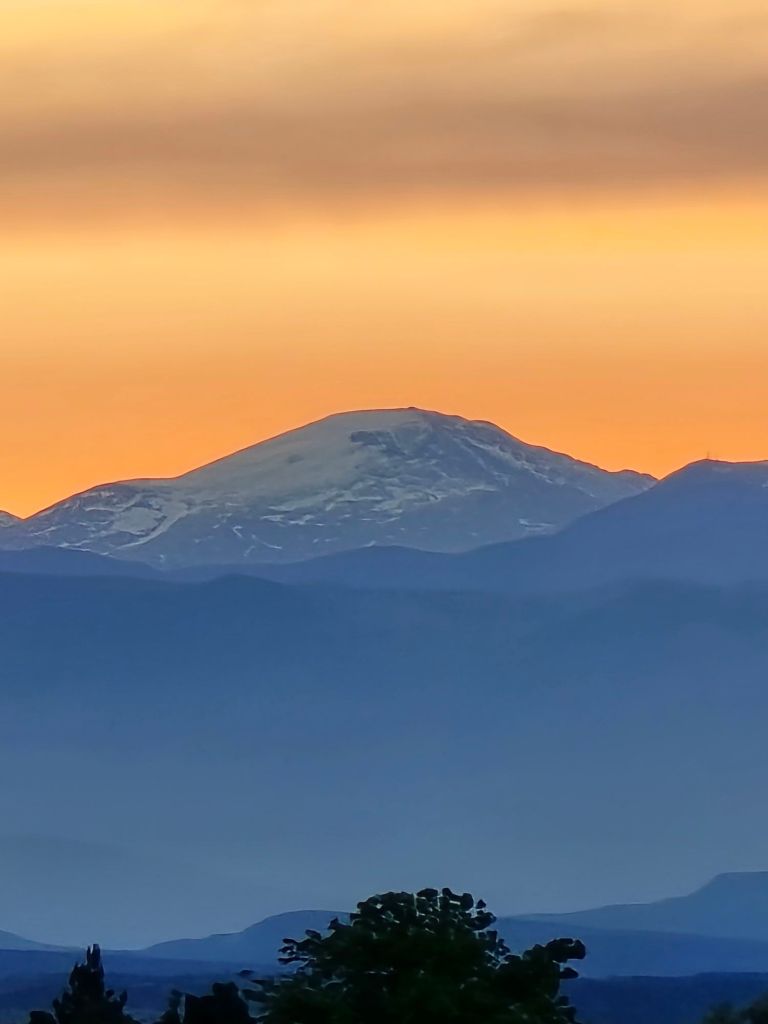
Then came Colorado. Two weeks of pure beauty, with every turn revealing something that made me pause and breathe a little deeper. I did not realize how much I needed that trip until I was standing there, surrounded by mountains that made everything inside me feel a little clearer.

But the biggest changes this year happened within me.

After years of gut problems, I finally discovered the physical cause. That alone felt like a breakthrough I had been waiting for far too long. Therapy opened an even deeper door. I began to uncover the emotional weight I had been carrying and the trauma that had settled into my body. I started learning how to set boundaries and how to listen to the parts of myself I had ignored. I connected with my inner child, the version of me who needed comfort and understanding, and I finally began to give her that.

Along the way, I started feeling more comfortable in my own skin. Not the person I thought I was supposed to be, but the person I actually am. This shift feels real, even if it is still unfolding.

And perhaps one of the most meaningful steps I am taking this year is working on my book proposal. I’m not  just dreaming about it, I’m doing it. This alone feels like reclaiming a part of myself I thought I lost.

When I look back, this year was not simply positive. It was transformative. It was a year of returning to myself in ways I never expected.

It Is What It Is

It Is What It Is

“It is what it is.”

I told my assistant, after spilling everything about why I had been absent,

“Hey, that’s a dismissive statement. You can’t dismiss this. It is not your fault.” He said.

Yesterday I stopped by my parents’ house to help Mom with her Facebook. After about an hour of scrolling through her activity history, and Dad complaining about how three of their specialist doctors were leaving our town for a bigger one, they ended with,

“She owes us an apology.”

I shook my head no.
They didn’t like that.

They insisted they had been wrongly accused. They brushed past the fact that they are still, even after everything, keeping contact with her abuser. Instead, they turned the extra pictures on Facebook into their own story. A story where they were the victims. A story where she had attacked them.

Dad with his angry, silent face.
Mom had her lip pulled in, as if she were bracing for battle.


“Yes, she does,” they sneered.
“Wouldn’t you want an apology if you were accused of something you didn’t do?”

I let out one of those airy laughs. The kind you do when you remember something painful. In my case, it was Dad’s accusatory text. I brushed it off again by saying,


“You have to understand how scared she is.”
And then the conversation was over.

I left feeling like I had failed her and myself.

I have never been good at ‘thinking on my toes’ when I get backed into a corner. And for some reason, my parents have always had the power to back me in that corner. Even as an adult. Even after therapy. Even after years of growth.

I think I have been dismissive of them for years without realizing it. Not because I didn’t care, but because I didn’t want to face the fear I carried of them. A fear I only recently learned to name.

Therapy has helped me draw cleaner lines. It showed me that my anxieties did not begin with my ex-husband. He added to the damage, but he did not build the foundation. My parents did. Their dismissiveness shaped me long before adulthood, long before marriage, long before the trauma that came later.

My dad does not know how to love without control. His love has limits, and those limits end where his control ends.
My mom has always believed the world is against her. So it makes sense she sees her own granddaughter as just one more person out to hurt her.

And for years, I’ve repeated the exact phrase like a mantra.

“It is what it is.”

But now I know that phrase was never peace. It was resignation.
It was the sound of folding into silence.
It was the armor I wore when I didn’t yet have the language to name the wounds.

But I do now.

So no, it’s not “what it is.”

It’s what it was.