WHEN CHRISTMAS CHANGED

WHEN CHRISTMAS CHANGED

I don’t know when Christmas turned from magic and lights to misery and blight. I only know that one day the lights didn’t sparkle as much anymore. Shopping feels like a waste of time and a drain on life savings. I don’t see why we spend four weeks preparing for something that lasts a day and two more weeks taking it apart.

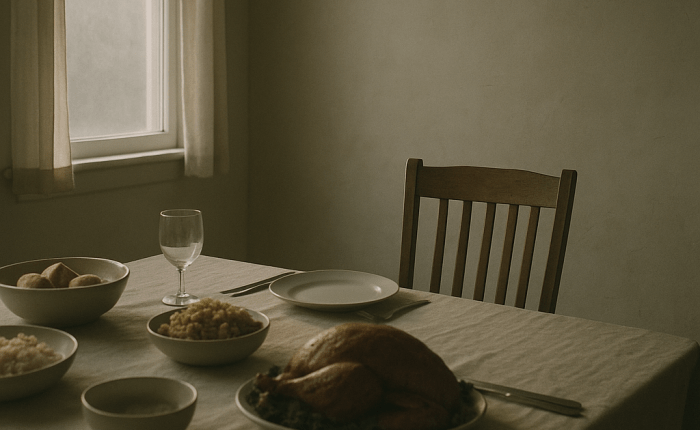
For me, Christmas starts at Thanksgiving, when our family combines the holidays. The tree goes up a week or so beforehand and stays for the long haul, like an unwanted guest. Or a fly trapped in a car. Some years, I play Christmas music. Most years, I keep playing my usual, Ozzy and the like. This year has been an Ozzy year (RIP).

I don’t know exactly when I started to hate Christmas. Maybe it was when my former husband threw a fit because I wasn’t decorating the tree the way he thought I should, or in the colors he preferred. I remember standing in the living room, feeling crushed. It was Thanksgiving night or the evening after. I had cooked all day, and the meal was devoured in about fifteen minutes. Then came the cleanup, too much for three young children to help with, while he lay on the couch and napped.

After a few years of begging to do it myself, I learned it was easier to stand by and hand him the ornaments. There was rarely a time when I was alone. He took up most of that space unless I woke earlier than him, something I trained myself to do after a few years of marriage.

.I was excited to put up the tree so the kids could feel the same anticipation we had as we grew up. We finished hanging the cursed lights you pray will still work from the year before. The last thing was the topper. No matter how hard you try, tree toppers never want to stay straight. It didn’t help that he was obsessive about details. Somehow, it became my fault that the angel leaned and refused to stay lit.

Then there was the money. I had no idea how we were going to buy presents with what little we had. He was in Bible college and believed he should not work. If God wanted him there, God would provide.

It was then that I started questioning the sacrifices we were making. We gave money we didn’t have to a church and to missionaries who earned more than we did. We decided things like toilet paper and electricity were luxuries, not needs.

How do you reconnect to Christmas after that?

When I was a child, my parents had a tradition that I could open one present on Christmas Eve. Sometimes I choose it. Sometimes they did. Now that my youngest is still at home, I understand why they sometimes chose it, because there was that one gift they dreaded wrapping.

The oversized gift hidden in my closet this year will be opened the same way, because it is simply too big to wrap.

I remember the year I received a Nintendo with a Smurf game. I stayed up all night playing. When my parents woke up, I was still sitting on the floor in front of our wood-encased television, controller in hand.

My mother asked if I had slept at all and warned that I would be too tired to open presents later. I told her I would be fine. I was twelve. Of course I was.

Every Christmas Eve, we went to my grandmother’s house for dinner and gifts. No one ever knew what to buy for my uncle, a grown man still living at home who owned every comic book printed. He usually received socks or an ugly sweater. I hated getting gifts from him because they were never helpful.

Then, one year, he bought me the entire Wizard of Oz book set. He was a reader. Once he learned I loved books, buying gifts for me became easy. That year, he earned my respect.

My grandmother made many of my gifts by hand. Stuffed animals. Dolls. Raggedy Ann and Andy. A panda bear. Characters from The Wizard of Oz, except the witch. Around that time, rumors circulated about possessed dolls. I wasn’t afraid of Raggedy Ann or Andy, but the Oz dolls terrified me. I stored them in my mother’s closet.

I was fifty-six years old when I learned the infamous Annabelle doll was a Raggedy Ann, identical to the one my grandmother had sewn for me.

Every year, she stitched us matching Christmas dresses or skirts. Mine always brushed the floor. By the time I was thirteen or fourteen, I decided that kind of outfit no longer served my image.

One year, she made me a stocking more than five feet tall. My mother filled it. Stockings were always my favorite part of Christmas. Candy and small surprises, one after another.

We used to cover the tree in silver tinsel so it looked like snow. It didn’t look like snow, but it looked like Christmas. The cats loved it too and walked around for days with tinsel trailing behind them. No one wanted to deal with that, so we didn’t.

As a child, I loved Christmas. The lights. The colors. The music. My earliest memory is of a tree in the front room and presents underneath it. Our dog unwrapped a gift I had made for my parents, and I was furious.

That same year, I wanted a necklace so severely that I couldn’t stand not knowing. I unwrapped a present early, saw it was the necklace, and wrapped it back up. When they asked, I blamed the dog. But they didn’t believe me.

Christmas stopped being simple over time; loss layered itself onto the season. One of my children is gone. A serious family rupture surfaced during the holidays. My former husband despised Christmas and made it miserable. Putting up the tree was always a fight. There was never enough money.

One year we threw the tree away, calling it an idol. I had the scripture to support it. He declared the sin we were committing and the consequences. I enforced them. Out went the tree. Out went the decorations.

Minimalism became our way of life before it had a name.

This is why my adult self does not love Christmas.

My inner teenager can take it or leave it. She once begged relatives to give her gift certificates so she could choose her own clothes. Instead, they bought things she wore once and never again. She loved shopping with her mother because she got to choose, except for the extra-tight parachute pants.

I don’t know exactly where I stopped enjoying Christmas, maybe when I got married, maybe when it became my responsibility to make it happen with people who made it difficult.

My current husband shares a similar background and the same ambivalence about the holiday. We try. We are doing fine. But Christmas is no longer all about lights. Not like when our mothers made it special.

Recently, I did something I hadn’t done in several years. I play instrumental Christmas music and turned it up. Then I baked.

Banana bread. Apple bread. Pumpkin. Gingerbread. Peanut butter cookies. Most of it adjusted to be Paleo.

All day I measured, mixed, and baked. Timers went off. Batter waited for its turn. I tasted everything.

My favorite was the banana bread sweetened only with bananas. Not overly sweet. Just enough.

The final loaf was made from leftovers. Extra pumpkin. Extra applesauce. I still don’t understand why recipes don’t simply use the whole can.

Halfway through, I remembered dinner. I pulled out the Instant Pot, added frozen meat and seasoning, and thirty minutes later, we ate.

The kitchen felt chaotic and magical at the same time, warm, messy, and smelling like Christmas.

I don’t enjoy Christmas as much as I’d like, but I am learning to find ways to make it more enjoyable.


Better

Is your life today what you pictured a year ago?

My life is better today than what I pictured a year ago.

However, the year came with several speed-bumbs, road blocks, delays and detours. But isn’t that what makes our lives better? The learning how to navigate through life when faced with challenges?

I’m just thankful you didn’t ask if I enjoyed this year better than the last. I might’ve had a different answer.

Sleeplessness is…

Insomnia’s sister
Transients  cousin
Fluidities Aunt
Instabilities mom
Anxieties grandmother

….me

A Reflection on Grief

A Reflection on Grief

The Mourning Dove

I remember the first time I noticed a mourning dove was at our backyard feeders. Its coo stood apart from the others. A sound that seemed to linger instead of passing through. I remember thinking how different it was, like a new voice I had not heard before.

I had read that mourning doves sometimes appear after a loved one has died, offering comfort. I wondered briefly whether that was true and whether it was meant for me or someone else. Then I did what I had learned to do over the years, I dismissed the thought. Too many beliefs I once held had not unfolded the way I thought they would, so it felt safer not to attach any meaning to this.

Later that afternoon, my husband called to tell me they found his brother. He had died in his car during the night. It was the end of his quiet battle with addiction.

That mourning dove stayed, reminding us of how fragile life is. And that people are delicate too. Potential and talent do not protect or shield us. My brother-in-law was profoundly gifted, a creator, a man with vision and skill in the horticulture world. But addiction did not care about any of that; it never does.

Now, three years later, a small flock visits our feeders regularly. Like grief, showing up a little here and there and sometimes all at once.

The mourning doves have become a regular presence in our lives, just like grief.

My husband lost his mom when he was 14. We lost my son in 2020, and now his brother. Sadness has a way of settling in quietly, rearranging our lives without permission. But the coo of the Mourning Dove reminds us to pause and notice that calm can exist alongside pain.

The word Mourning carries a lot of weight, yet the Dove itself is gentle. It does not exaggerate loss; it endures it. Instead of feeling like a symbol of sadness, it becomes a symbol of peace and survival. Encouraging us to persist after something irreversible happens, reminding us that love does not disappear when someone is gone.

Now, when I hear their coo at the feeders, I do not dismiss it. I stop, listen, and remember. I take that moment to whisper a prayer for my mother-in-law and husband because I understand that grief can show up at unexpected times, and that peace can make remembering them easier.

Tortured memories

Addicted to forget them

Yet scarred thoughts remain

Enslaved for the fix

Blacked out,

resting thoughts at peace

A soul gone too soon

Addiction and suicides

Fatal kiss

Life After Suicide Loss Is Lived in the Present Moment

Life After Suicide Loss Is Lived in the Present Moment

Lessons From the Tufted Titmouse

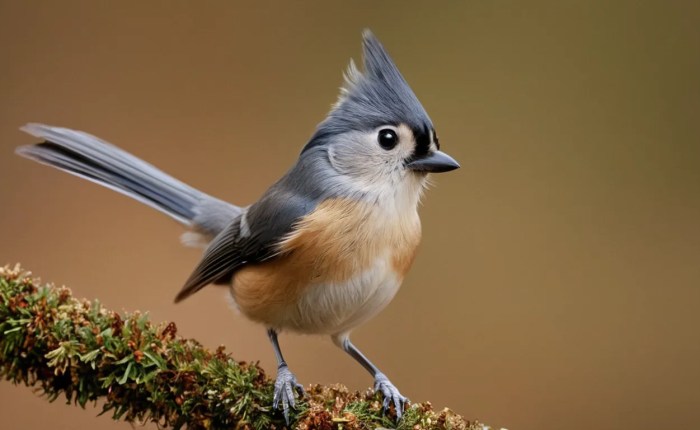
This morning, I was noticing the Tufted Titmouse at my feeders. It is a small, alert bird with a soft voice and a steady presence. A symbol of healing, but not in the way people often think. It is not promising closure or answers. It tells us to keep going even when life has permanently changed.

After losing a child, life stops making sense, and grief collapses time. The future feels unreachable, and the past feels too heavy to carry. Most days are not about hope or meaning; they are about surviving the stage you are in. The Tufted Titmouse reminds us to stay present, do what the moment requires, nothing more. It isn’t suggesting that we “move on.” It invites us to survive this moment, then the next.

The bird’s small, persistent movements mirror how we, as bereaved parents, can continue living through each season. Maybe you are just surviving, fragment by fragment. But getting up and feeding yourself is showing up. Saying their name and breathing through waves that come without warning does not weaken us; it is an endurance that strengthens us.

The titmouse is also known for its song, reminding us how important it is to speak our child’s name, tell their story, and to allow our grief to have a voice. Silence can isolate us. Sharing does not mean we are stuck; it means our love did not end. It does not mean “everything happened for a reason.”  But it does imply that life still has purpose, even while we carry this permanent loss.

Some days, noticing something simple in nature may feel like the only thing that can ground us. It’s a Tufted Titmouse at the feeder, a windchimes melody, a foggy morning of calm. These moments do not minimize our loss; they remind us that we are still here, even when our hearts are broken. The Titmouse teaches us to live with grief rather than resolve it. Strength is not the absence of sorrow; it is learning how to carry it.

Parenting Both Sides of Sibling Sexual Abuse

Parenting Both Sides of Sibling Sexual Abuse

A Message From The Hummingbird

I am the mom on both sides of a complicated story. Loving one child who was sexually abused and loving the one who caused the harm.

There is no road map for navigating something like this. No clean language. No version of the path forward that does not cost something deep and painful. Some days it feels like my entire role is simply to remain standing when I feel like falling and to stay present when everything in me wants to hide. Functioning while absorbing this kind of shock is a challenge in itself.

And yet, here I am. Learning how to love without chasing, how to hold boundaries without disappearing. How to remain myself even when relationships have changed form in ways I would have never imagined.

Lately, I have been thinking about the hummingbird.

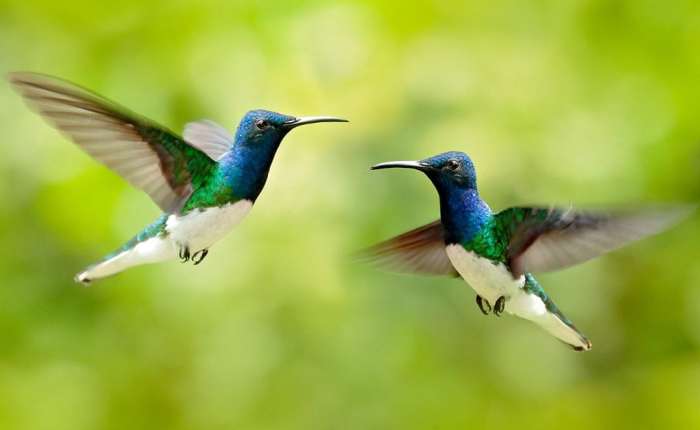
A hummingbird migrates thousands of miles relative to its size. It burns enormous energy simply to stay alive. Even hovering in place takes constant effort. It does not rest the way other birds do. It must keep moving its wings just to remain where it is.

That feels familiar.

As parents and humans navigating trauma, we expend energy just to stay standing and emotionally present. We hover. We show up. We pay attention even when everything in us wants to give up. We absorb pain and strain quietly and keep going. Like the hummingbird, we need nourishment, spiritual and emotional, because the work of staying present is exhausting.

The hummingbird symbolizes resilience after hardship. It represents the return of joy and lightness, not because things become easy, but because survival itself requires strength. It reminds us that connection does not require possession, love does not require obligation, and presence does not require control.

We can love deeply and still protect ourselves. We can hold grief and hope at the same time. We can remain connected without losing who we are, and we can stay in place without collapsing.

If you are hovering right now, barely holding yourself together, that is worth remembering! Your quiet strength counts! The energy you put into staying present matters!

Even in the most challenging seasons, strength can exist. You are not failing, you are surviving. And sometimes that is the bravest thing any of us can do.

Positively Divine

What positive events have taken place in your life over the past year?

This year has been one of the most unexpected beautiful years of my life, full of surprises, healing, and quiet miracles I did not always see coming.

It began with the joy of the birth of grandchild number ten and the sweet anticipation of number eleven already on the way. Every new little heartbeat in this family reminds me how wide my world is and how love continues to grow around me whether I am ready or not.

Our third short-term rental went online and stays booked. It amazes me to watch what I dreamed of into existence, and watch it take off and thrive. There is a quiet pride in that, a feeling of finally seeing hard work turn into something real.

Then came Colorado. Two weeks of pure beauty, with every turn revealing something that made me pause and breathe a little deeper. I did not realize how much I needed that trip until I was standing there, surrounded by mountains that made everything inside me feel a little clearer.

But the biggest changes this year happened within me.

After years of gut problems, I finally discovered the physical cause. That alone felt like a breakthrough I had been waiting for far too long. Therapy opened an even deeper door. I began to uncover the emotional weight I had been carrying and the trauma that had settled into my body. I started learning how to set boundaries and how to listen to the parts of myself I had ignored. I connected with my inner child, the version of me who needed comfort and understanding, and I finally began to give her that.

Along the way, I started feeling more comfortable in my own skin. Not the person I thought I was supposed to be, but the person I actually am. This shift feels real, even if it is still unfolding.

And perhaps one of the most meaningful steps I am taking this year is working on my book proposal. I’m not  just dreaming about it, I’m doing it. This alone feels like reclaiming a part of myself I thought I lost.

When I look back, this year was not simply positive. It was transformative. It was a year of returning to myself in ways I never expected.

When Doing the Right Thing Still Makes You Feel Like the Villain

When Doing the Right Thing Still Makes You Feel Like the Villain

A story about family, guilt, and the cost of choosing someone’s peace and safety

This year, I set a boundary with my parents.

We didn’t go to their house for Thanksgiving. We had it at ours instead. That might sound small to someone outside the situation, but it wasn’t. It carried years of pain, silence, and choices that should never have been mine to carry.

It wasn’t even about me this time. It was about my daughter.

There’s a story I’m not going into here, but I’ll say this much. My daughter was violated by a family member, their grandson, my son. He’s in prison now for what he did to her. But my parents still choose to stay in contact with him.

She was the one who said she didn’t want to go. She didn’t want to sit in a place that still protects the person who hurt her. And I decided to support her, choose her, and stand on her side.

It was the right thing. I know that. But it didn’t stop the fallout.

My mom didn’t speak to me for a whole week. My dad turned on the guilt, the blame, and the disappointment. Like I was the one punishing them. All I did was protect my daughter from the people who made her feel betrayed.

And still, I spiraled. I second-guessed myself. I wondered if I was being dramatic, if I had taken it too far, if I was being cruel by drawing a line.

That’s how deep the conditioning goes. That’s how beating yourself up becomes your favorite hobby.

You protect your child. You do what you know is right. And then you punish yourself for it.

Here’s how that cycle works. Here’s how the guilt gets under your skin and stays there, even when it shouldn’t.

1. You confuse guilt with being good.
You grew up thinking that if it hurts, it must mean you care. If you carry the guilt long enough, maybe it proves you’re the better person. Perhaps it means you’re nothing like the ones who hurt you. So you hold it. You nurse it. You call it empathy, but it’s not. It’s grief. It’s fear. It’s survival mode, you never got the chance to grow out of.

2. You turn on yourself before anyone else can.
It’s safer that way. You blame yourself first. You get ahead of the punishment. You run the worst-case scenario before it even happens. That way, if someone does get mad, you’re already halfway into self-destruction. You don’t have to be blindsided. You’re already bleeding. You call it control, but it’s fear disguised as preparation.

3. You were trained to carry the weight for everyone.
Keeping the peace was your job. Making things easier and smoothing things over. So when you finally make a decision that protects someone else, someone innocent, someone hurt, it still feels like betrayal. It feels like you’re letting everyone down, even when you’re the only one standing up for what’s right.

4. You think beating yourself up makes you accountable.
You think that if you suffer enough, it proves you’re not careless. That you’re not cold. That you understand the impact. But accountability is not self-punishment. It’s not turning your own heart into a punching bag. Accountability means standing in your truth and owning your choices, even when they hurt, even when you’re alone in them.

You can know something is right and still feel crushed by the guilt of doing it. That’s the part people don’t talk about.

The pain of healing is that it often makes you look like the villain to the people who benefited from your silence. And the reflex to beat yourself up is strong. It feels like the only way to keep the peace with yourself when everyone else is pulling away. But beating yourself up is not the same as being good. It’s just the story they taught you to believe. And you don’t have to keep telling it.

What to Do When You’re Caught in the Middle

Being caught in the middle doesn’t feel like conflict — it feels like captivity.
It feels like being stuck in a snare with no way to move without hurting someone.
Like a mouse trap waiting to snap shut.
Like you’re locked in a raccoon cage, unsure if speaking the truth will free you… or cost you everything.

People talk about “taking sides” like it’s simple.
But when you’re caught in the middle of family, trauma, loyalty, and truth, nothing about it is simple.

It’s one of the loneliest places a person can stand.

What You’re Really Caught Between

Sometimes “caught in the middle” means choosing between two opinions.

But sometimes — like in my life — it means standing between your own child who was harmed and your own child who did the harming.

Between the daughter who still carries wounds and the son whose actions caused them.

Between the victim in your home and the perpetrator who shares your blood.

Between your mother — who continues contact with the perpetrator — and your daughter, the victim.

Between your loyalty as a mother and your integrity as a protector.

Between who you used to be and who you’re becoming.

Between the pressure to keep quiet and the truth that refuses to stay silent anymore.

It’s not two sides.
It is layers of emotional conflict, guilt, fear, and responsibility colliding inside your chest.


Why This Position Freezes You

People say, “Just say what you feel,” but they don’t see what comes with it.

When you’re in the middle, speaking the truth feels dangerous.

You fear hurting someone you love.
You fear being misunderstood.
You fear being shunned.
You fear being blamed for protecting the wrong person — when you know exactly who needs protection.
You fear your mother’s reaction.
You fear the silence, the withdrawal, the guilt she might use.
You fear your childhood patterns pulling you back into old roles.

You fear becoming the target for finally telling the truth.

That fear freezes you.
Not because you’re weak, but because you’ve carried too many people’s emotions for too long.


You’re Allowed to Step Out of the Middle

This is the truth many of us need spoken out loud:

You are not betraying anyone by protecting the victim.
You are not abandoning someone by refusing to enable harmful choices.
You are not wrong for saying, “Enough.”
You are not required to cushion your truth to keep someone else comfortable.
You can love someone and still say, “This crosses a line for me.”
You can grieve what happened without sacrificing your integrity.

You are allowed to choose clarity over chaos.
You are allowed to choose protection over appeasement.
You are allowed to choose truth over silence.

You are allowed — fully allowed — to walk out of the middle.


How to Un-Freeze When You’re Caught in the Middle

Here are the steps that help you move from paralysis to clarity:

1. Name What’s Actually Happening

Write it plainly.
Do not soften it for someone else’s comfort.

2. Ask What Aligns With Your Values

What decision reflects the kind of mother, woman, friend, or human you want to be?

3. Decide Who Truly Needs Protection

Protect the vulnerable one.
Protect the honest one.
Protect the one who did not choose this.

4. Set One Clear, Simple Boundary

Not a debate.
Not a speech.
A boundary.

“This is not okay with me.”
“I won’t participate in this.”
“I love you, but I cannot be involved if you continue this.”

5. Speak With Clarity and Compassion

Firm does not mean unkind.
Compassion does not mean surrender.

6. Allow People to React However They React

They may:
– Shame you
– Guilt you
– Pull away
– Play victim
– Get angry
– Give the silent treatment

Their reaction belongs to them.
It is not proof you did something wrong.
It is evidence that you set a boundary they didn’t like.

7. Anchor Yourself After the Conversation

Your body may shake.
Your stomach may twist.
Old fears may roar.

That is normal.

Here are anchoring practices:

• Breathe: 4 seconds in, 6–8 out.
• Hand on chest: “I am safe. I told the truth.”
• Move your body: walk, stretch, shake out your hands.
• Ground yourself:
5 things you see
4 things you can touch
3 things you hear
2 things you smell
1 thing you taste
• Write what triggered you.
• Remind yourself: “A trembling body is a brave body.”
• Talk to someone who truly understands the situation.

Anchoring doesn’t erase fear — it prevents fear from dragging you back into silence.


Taking a Stand Doesn’t Make You Divisive

Taking a stand does not divide a family.
Harm divides families.
Silence divides families.
Minimizing what happened divides families.

Standing for what’s right is clarity, not conflict.

Protecting a victim is integrity.
Refusing to stand in the middle is courage.

A Soft, Steady Closing

There comes a moment when staying in the middle becomes impossible.
Not because you stopped loving people.
Not because you’re choosing sides out of anger.
But because the truth finally whispers:

“You don’t belong in the snare anymore.”

Stepping out isn’t selfish — it’s sacred.
It’s the moment you choose protection over silence, healing over guilt, and courage over captivity.

It’s the moment you finally allow yourself to stand somewhere solid —
where your truth has room to breathe.

Why Happiness Makes You Nervous

Why Happiness Makes You Nervous

For the girl who thinks the tightness in her chest is normal

Good times make you nervous, don’t they?

You don’t call it fear—you call it “being cautious,” or “not getting your hopes up.” But the truth is quieter: you’re not used to peace. For so long, love has felt like tension, panic, apologizing, overthinking, and walking around someone else’s moods like they’re landmines.

So when something finally goes right… Your whole body glitches.

You look around, waiting for the explosion.
You wait for the tone in his voice to shift.
You wait for the moment he decides you’re “too sensitive,” “too emotional,” or “too much.”

And if nothing happens right away, your brain fills the silence with dread: Is this the part where it all turns again?
You don’t trust happiness—not because you’re broken, but because you’ve survived too long without it.

Girls like us learn early that peace feels like a trap.
A setup.
A calm before the next storm.

No one told you that real love isn’t supposed to feel like bracing for impact.
No one told you that safety isn’t the same thing as “keeping the peace.”
No one told you that if your body relaxes only when he isn’t home… that’s not comfort. That’s survival.

Listen, sweetheart—if happiness feels foreign, it’s not because you’re incapable of it.
It’s because someone taught you to expect pain.

And here’s the part I wish someone had whispered to me sooner:
You don’t have to keep living in the story where fear feels like love. You don’t have to keep shrinking yourself just to fit into a relationship that was never safe to begin with.

Real peace doesn’t make you nervous.
Real love doesn’t make you flinch.
And real happiness doesn’t feel like a setup—it feels like finally coming home to yourself.

You deserve that kind of happiness.
And I promise… it won’t explode.

When someone ties despair to God Himself, it buries you in a deeper kind of fear. You stop dreaming. You stop believing in the better. And every time life gets quiet, you brace yourself, because you know the calm never lasts.

I remember once, after one of our rare calm seasons, we tried to dream again. We made a little vision board together — nothing extravagant, just things a normal couple would hope for. A peaceful home. A reliable car. A future that didn’t feel like walking through broken glass.

But his face went dark, the way it always did when anything felt too good.

He looked at me and said,

“God hates me. We will never get any of this.”

And just like that, the air changed.
The hope drained out of the room.
My body learned — again — that peace wasn’t safe, and happiness wasn’t to be trusted.

Why You Always Zero In on What Hurts

Why You Always Zero In on What Hurts

When trauma teaches you to fear the good, trusting peace can feel like betrayal

Have you ever noticed how fast your mind finds the crack in the glass?

Something good happens—and before it even settles, you’ve already ruined it in your head.
You pass the test, then tell yourself you’ll probably fail the next one.
Someone says they’re proud of you, and you immediately wonder what they really meant.
You finally get a moment of peace, and instead of resting in it, you’re holding your breath waiting for it to explode.

That’s not you being dramatic.
That’s trauma.
That’s conditioning.

When you’ve lived in survival mode long enough—when love came with punishment, when silence meant danger, when even your joy got twisted into a weapon—you stop trusting anything that feels too good.

Your brain starts treating calm like a trap.
It looks for warning signs even when there aren’t any.
Because in your experience, the good things never came without a price.

So, of course, your mind zeroes in on what hurts.
That was your safety plan. That’s how you kept yourself alive.

You learned to listen for footsteps. You studied his moods like they were gospel. You walked on eggshells because they were safer than landmines.

So when someone tells you to “just think positive” or “celebrate the good,” it doesn’t land. It feels fake. It feels dangerous. Because in your world, hope always came back with bruises.

I remember the day I reached for help.

I wasn’t even expecting a miracle—just someone to see me. I told the truth. I admitted I was scared, confused, and unraveling. I laid it all out there: how small I felt, how broken I had become, how the God I was clinging to didn’t feel like He was anywhere near me anymore.

And the answer I got?

“Just go home and be a good wife.”

No rescue. No comfort. Just a command.
That broke something in me.
I learned right then: honesty doesn’t guarantee help. Hope can backfire.
So I stopped reaching. I started bracing harder. I got quieter.
Because at least silence couldn’t slap me in the face like that again.

That moment shaped me. And not in a holy way.

But here’s what I want to tell you—what someone should have told me:

You’re not negative.
You’re not broken.
You are conditioned. And you can unlearn it.

But not by pretending. Not by slapping affirmations over your scars.

It starts small. Like this:
When the voice comes up that says, “This won’t last,” or “You don’t deserve this,”
just pause.
Don’t fight it. Don’t obey it. Just notice it.

That voice isn’t your truth.
It’s your trauma.

And slowly, you can start choosing differently.

Not because you’re suddenly healed. But because for once, you’re finally allowed to be aware of how deep the damage goes—and how much more you were made for.

You’re allowed to want peace without fear.
You’re allowed to hold joy without bracing for pain.
You’re allowed to believe something good… might actually be good.

Even if your brain’s not there yet, you are.